
Introduction
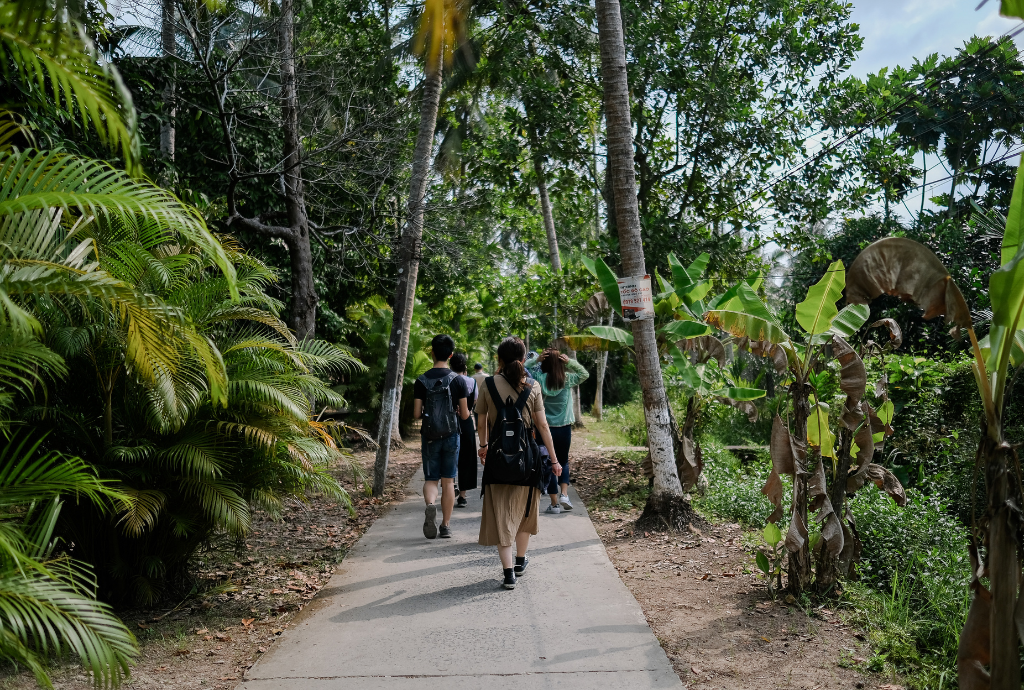
September 27th is celebrated worldwide as the World Tourism Day. Established in 1980 by the World Tourism Organization (UN Tourism), this date aims to highlight the sector's relevance to economic, social, cultural, and environmental development. More than a celebration, it is an invitation to reflect on the future of tourism and its role as an agent of global transformation.
In 2025, the theme chosen by UN Tourism to guide discussions is... “Tourism and Sustainable Transformation” (Tourism and Sustainable TransformationThe proposal reflects an urgent concern: how to align the sector's growth with the needs of environmental preservation, social inclusion, and responsible innovation? In a world pressured by climate change, social inequality, and the need for more balanced economic models, tourism positions itself as a protagonist in a process of change.
This article seeks to explore the meaning of sustainable transformation in tourism, present international trends, discuss challenges, and propose practical solutions. We will also show how... Girus Tourism Solutions, official representative of Biosphere Sustainable in Brazil, This helps destinations and companies follow this path with consistency and positive impact.
What does sustainable transformation in tourism mean?
The word "transformation" itself suggests movement, adaptation, and a paradigm shift. In the tourism context, it's not just about reducing environmental impacts or adopting isolated compensatory practices. Transform sustainably It means rethinking the entire tourism chain — from public policies to hotel operations, from large infrastructure investments to the small choices made by visitors.
Environmental sustainability
The first and best-known axis is reducing the ecological impacts of tourism. This involves practices such as:
- Reducing water and energy consumption in developments.
- Adoption of renewable and clean alternative energy sources.
- Proper management of solid waste and promotion of a circular economy.
- Preservation of biodiversity, with special attention to sensitive natural areas.
Social sustainability
Another crucial point is social inclusion and respect for local communities. Sustainable transformation requires:
- Creating decent jobs with adequate working conditions.
- Valuing local cultures and promoting tourism as a tool for strengthening identity.
- Support for traditional, indigenous, and rural communities, preventing gentrification and exclusion.
Economic sustainability
Economic sustainability is often overlooked, but it is essential. For tourism to be viable in the long term, it must:
- To ensure that financial benefits are distributed fairly.
- To promote local micro and small businesses, avoiding excessive concentration in large groups.
- Attracting investments aligned with the Sustainable Development Goals (SDGs).
Management sustainability
Finally, there is the governance dimension: strategic plans, public policies, capacity building, and the use of reliable data. Sustainable tourism requires strong institutions, social participation, and constant monitoring.
Global trends in 2025
The theme defined by UN Tourism is no accident: it directly addresses the major trends that are currently shaping the sector.
1. Conscious consumption and regenerative tourism
International research indicates that Over 701,300 travelers want sustainable options when traveling., even if it means additional costs. The concept of regenerative tourism — which seeks to leave the destination better than it was before the visit — is gaining momentum and inspiring innovative experiences.
2. Digitization and efficiency
Technology is increasingly becoming an ally of sustainability. Hotel management systems, visitor flow monitoring in natural areas, and data analysis platforms help reduce waste and plan more effective public policies.
3. Certifications and transparency
The international market demands more and more. clear signs of a commitment to sustainability. Certifications such as Biosphere Sustainable, Globally recognized, these brands function as seals of trust for tourists and investors.
4. Inclusive tourism
Accessibility is no longer optional; it has become part of sustainability. Adapting structures for people with disabilities, creating inclusive experiences, and respecting cultural and gender diversity are fundamental practices.
Challenges for sustainable transformation
If the opportunities are clear, the challenges also need to be addressed strategically.
Initial implementation cost
Many entrepreneurs in the tourism sector, especially micro and small businesses, find it difficult to invest in solar energy, waste management, or certifications. The lack of specific credit lines exacerbates the situation.
Public infrastructure
Sustainability depends on basic sanitation, efficient mobility, and environmental protection policies. Without consistent action from the public sector, many private efforts lose momentum.
Education and awareness
Change requires informed and committed tourists. It is still common to find visitors who do not respect environmental rules or who seek predatory experiences. Raising awareness is part of the transformation process.
Territorial inequality
While some destinations are progressing rapidly, others are still struggling to structure basic policies. This creates a disparity that can compromise the competitiveness of the country as a whole.
Girus' role in sustainable transformation
A Girus Tourism Solutions It positions itself as a partner to municipalities and companies that wish to align their practices with the sustainable future of tourism. Its work takes place on several fronts:
- Municipal Tourism Plans
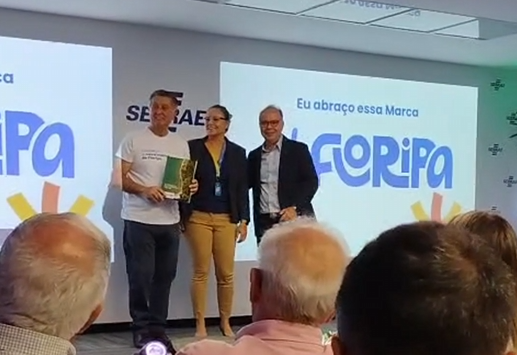
Girus develops strategic plans that incorporate sustainability as a central axis. This means guiding destinations to plan their tourism activities with a focus on environmental balance, social inclusion, and economic strengthening.
- Biosphere Sustainable Certification
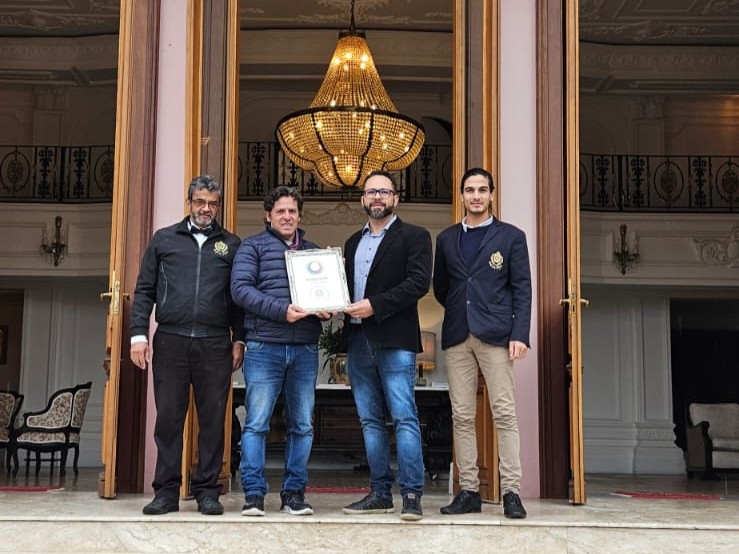
As the official representative of the seal in Brazil, Girus supports businesses and destinations in joining the program. Biosphere Sustainable, This is an international certification that recognizes practices aligned with the UN's 17 Sustainable Development Goals (SDGs). The process is not limited to an audit: it involves follow-up, practical recommendations, and continuous monitoring.
- Training and awareness-raising
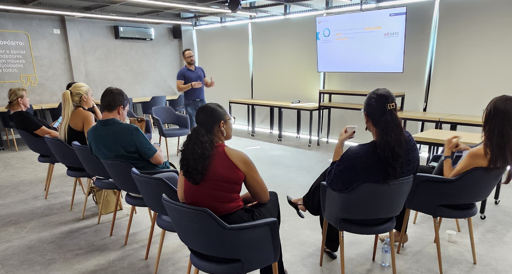
Through workshops, training sessions, and meetings with managers and entrepreneurs, Girus disseminates knowledge and provides guidance on best practices for sustainable and competitive management.
- Data intelligence
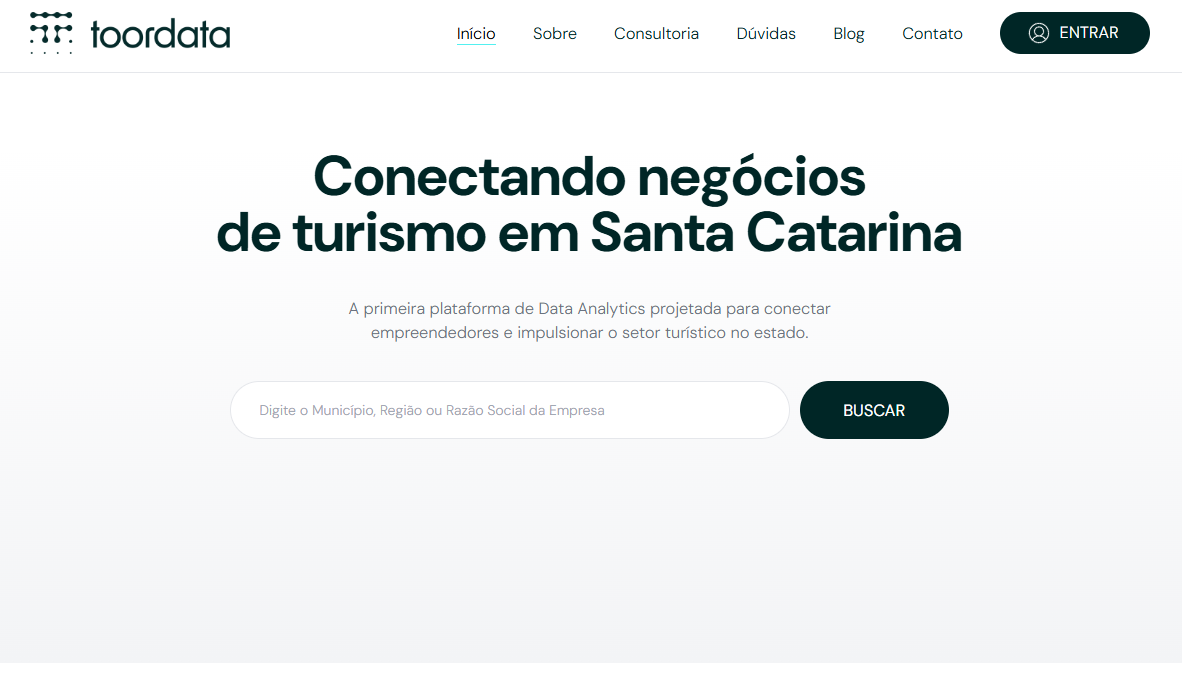
In partnership with Toordata, Girus provides destinations with a strategic analysis platform that enables them to make decisions based on real information. This ensures that investments are correctly targeted and that the impact of sustainable actions can be measured.
Call to action: what can each of us do?
The sustainable transformation of tourism does not depend on a single actor. It is a collective journey, involving different responsibilities.
Destinations and public managers
- Develop tourism plans with a focus on sustainability.
- Create policies to encourage entrepreneurs who adopt sustainable practices.
- Invest in green and accessible infrastructure.
- To monitor the impacts of tourism and share the results with society.
Companies and entrepreneurs
- Implement efficient energy and water management.
- Reduce and separate solid waste.
- Prioritize local suppliers and short supply chains.
- Empowering employees in sustainability and inclusive customer service.
- Seek recognized certifications, such as Biosphere Sustainable.
Tourists
- Opt for less environmentally friendly modes of transportation whenever possible.
- To value experiences that respect the local culture.
- Reduce the use of disposable plastics while traveling.
- Support businesses that have sustainable commitments.
- To be ambassadors of change, sharing best practices.
Conclusion
O World Tourism Day 2025 This reminds us that the sector is not just an economic activity: it is a field of social, cultural, and environmental transformation. The theme “Tourism and Sustainable Transformation” It is not just an international guideline, but a call to action for all who believe in tourism as a positive force.
Sustainability can no longer be seen as a differentiating factor, but as a basic requirement for competitiveness. Destinations, businesses, and tourists need to assume their role and act responsibly. The future of tourism depends on the choices made today.
A Girus Tourism Solutions [Company Name] is committed to supporting this process by offering technical expertise, certifications, data analysis, and strategies that combine sustainability and development. The path is challenging, but also full of opportunities to create a fairer, more balanced, and transformative tourism industry.
This September 27th, we extend the invitation: Let's transform tourism together into a tool for a sustainable future.