
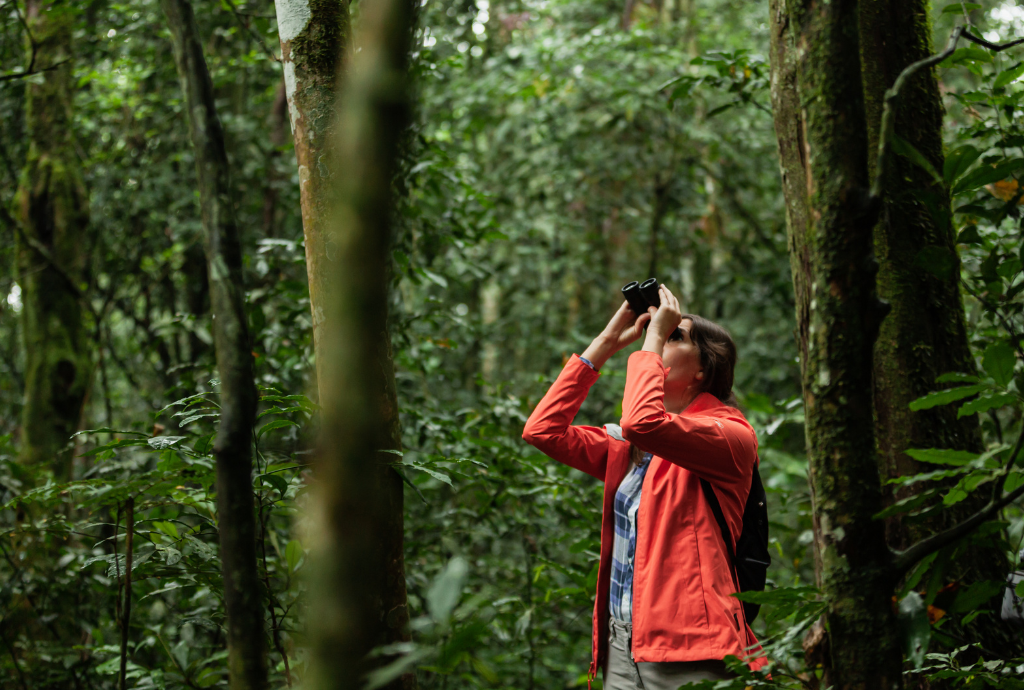
Global tourism is undergoing a structural change: travelers are no longer choosing only... where to go and then decides Why travel?. This movement, known as Whycation (Why + VacationThis reflects a growing search for purpose, well-being, authenticity, and meaningful experiences.
This change in behavior doesn't just impact the end consumer. It redefines the sector competitiveness model, requiring tourism entrepreneurs and public managers to review how they plan, structure, and position their destinations and ventures.
Whycation as a sign of change in the tourism market
A Whycation it should be understood as a strategic market indicator. She reveals that tourism is ceasing to be driven solely by volume, consumption, and promotion, and is becoming guided by value, meaning, and impact.
For business owners and municipal managers, this movement signals the need to revise traditional models of tourism development. Competitive destinations become those capable of offering experiences consistent with their territorial values, paying attention to visitor well-being and the sustainability of the place.
More than creating new attractions, the challenge lies in qualify what already exists, Organize the offering and align discourse, practice, and management.
What changes in practice for destinations?
When the motivation for the trip becomes the purpose, the focus shifts from the quantity of attractions to the... quality of experience. In this context, the new traveler tends to prioritize destinations and companies that offer:
- Physical and emotional well-being;
- Genuine contact with nature;
- Less mainstream experiences;
- Authentic connection with the local culture;
- Responsible and transparent approach.
This logic causes isolated promotions to lose their effectiveness and give way to the need for... planning, organizing the offer and improving tourism management.
Why sustainability is becoming central.
As the traveler seeks purpose, he begins to observe more attentively. how tourism is practiced in the territory. In this scenario, sustainability ceases to be an optional differentiator and becomes a decision criterion.
For business owners and managers, this means structuring environmental, social, cultural, and economic practices in an integrated, measurable, and continuous way, avoiding one-off actions and speeches disconnected from operational reality.
Opportunity and responsibility for Brazil
Brazil offers a natural, cultural, and human diversity that meets the expectations of the traveler. Whycation. However, this potential only translates into results when there is... strategic management of tourism.
Without planning, governance, and data utilization, a destination loses the ability to organize flows, reduce negative impacts, enhance experiences, and generate real benefits for the local community.
Girus and Biosphere: strategic alignment and a sustainable management tool.
For the purpose associated with Whycation To translate this into concrete practice, we understand that it is fundamental to work with recognized, measurable methodologies aligned with global agendas. Therefore, we operate in Brazil as commercial representatives of [Company Name]. Biosphere Certification.
Biosphere is a strategic tool for sustainable management, Based on the Sustainable Development Goals (SDGs), this certification guides, evaluates, and validates practices in tourist destinations and businesses. More than just a label, it supports continuous processes of management qualification and improvement of environmental, social, cultural, and economic performance.
In practice, certification allows companies and public managers to:
- Diagnose your current practices;
- Develop plans for continuous improvement;
- Monitor and measure impacts;
- Increase transparency and credibility in the market;
- Align institutional discourse with operational practice.
By integrating the tourism planning developed by Girus with Biosphere's international methodology, we connect strategy, method and credibility. This alignment provides destinations and businesses with a solid foundation to meet the demands of the modern traveler. Whycation and to structure tourism as a long-term development policy.
Conclusion
A Whycation It reinforces that the tourism of the future will be guided by purpose, well-being, and responsibility. For business owners and public managers, the challenge lies in structuring these values within tourism management.
Strategic planning, data intelligence, and certification are becoming essential tools for transforming trends into real and sustainable development. The future of tourism is already underway—and it demands technical, integrated, and well-founded decisions.