
Thinking about contemporary tourism requires going beyond promoting attractions. It requires understanding Who can access these spaces, how do they access them, and what is the quality of the experience?. In this scenario, accessibility ceases to be a complementary item and takes on a central role in the planning and management of tourist destinations.
Florianópolis is advancing this debate by integrating accessibility initiatives across various fronts—from beaches to cultural attractions, from public spaces to destination management—demonstrating that inclusion, innovation, and sustainability go hand in hand.
Accessibility as the foundation for complete tourism experiences.
Accessibility in tourism is not limited to the physical adaptation of spaces. It involves autonomy, security, clear information, adequate service e integrated urban planning. When a destination invests in these aspects, it not only expands its audience but also enhances the experience for all visitors.
This understanding is fundamental to comprehending why accessibility must be present in everything from natural spaces to cultural and urban facilities — creating a seamless and barrier-free experience throughout the visitor's journey.
From the sea to the city: accessibility as an integrated experience.
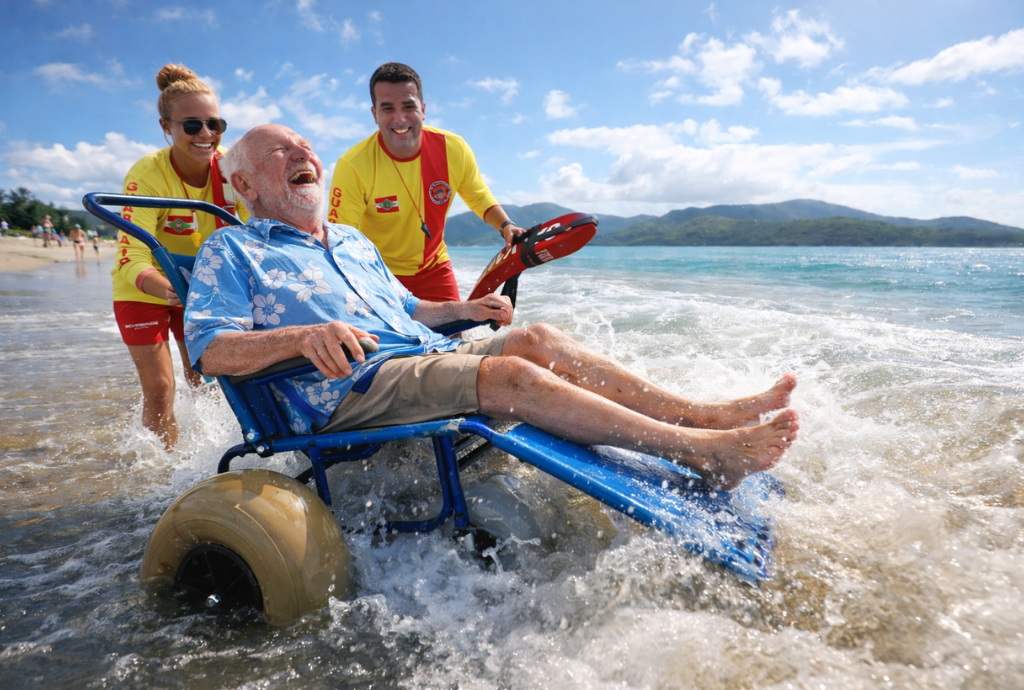
One of the most emblematic examples of this approach in Florianópolis is in accessible beaches, with the use of amphibious chairs. The initiative allows people with disabilities or reduced mobility to experience the sea in a safe and assisted way, transforming a historically exclusionary space into an environment of belonging.
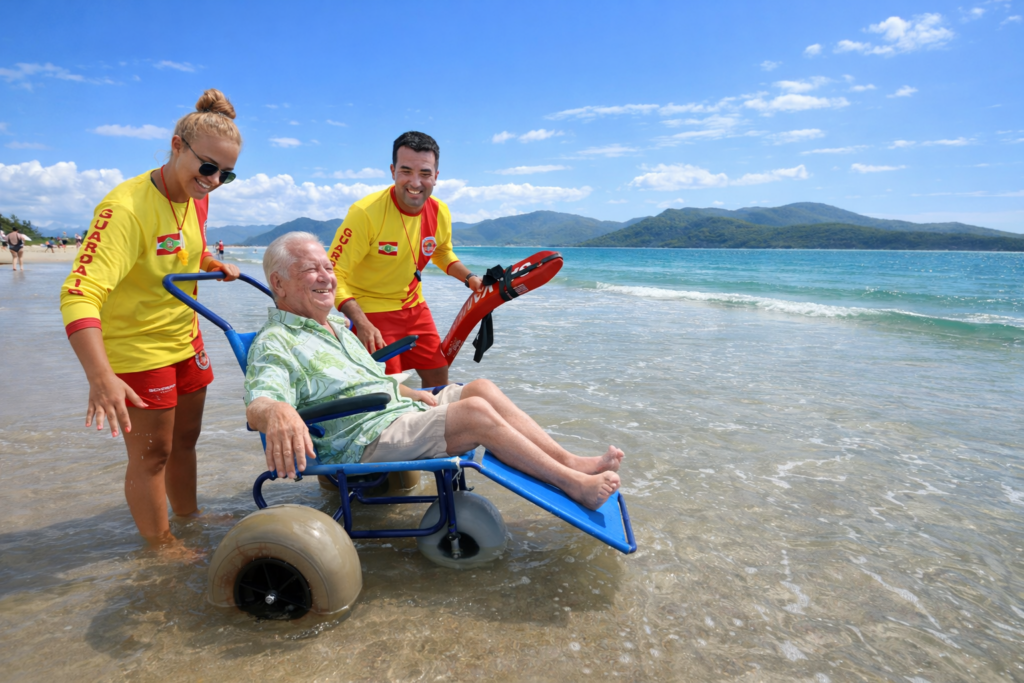
This experience doesn't end at the beach. On the contrary: it establishes a inclusion standard which extends to other parts of the city, reinforcing the idea that accessibility should not be isolated, but integrated into the territory as a whole.
Accessible attractions that connect history, culture, and nature.
Upon leaving the beaches and exploring the city, visitors encounter a network of attractions that reinforces this logic of continuous accessibility. More than isolated actions, accessibility in Florianópolis is strengthened when viewed from the perspective of... network of attractions in the municipality. This network encompasses everything from natural environments—such as beaches, parks, and viewpoints—to cultural, historical, religious, and urban social spaces, ensuring that access to the destination is seamless throughout the visitor's entire experience.
The accessible attractions listed below are just a few examples This shows how Florianópolis has been progressing in this process. They represent different types of attractions and demonstrate that inclusion should be present throughout the entire tourist journey, and not restricted to a single space or facility.
A São José da Ponta Grossa Fortress, For example, it connects historical heritage and accessibility, allowing more people to learn about the history of Santa Catarina Island. And... Otter Project, Through guided tours, it integrates accessibility and environmental education, expanding the reach of information and awareness.
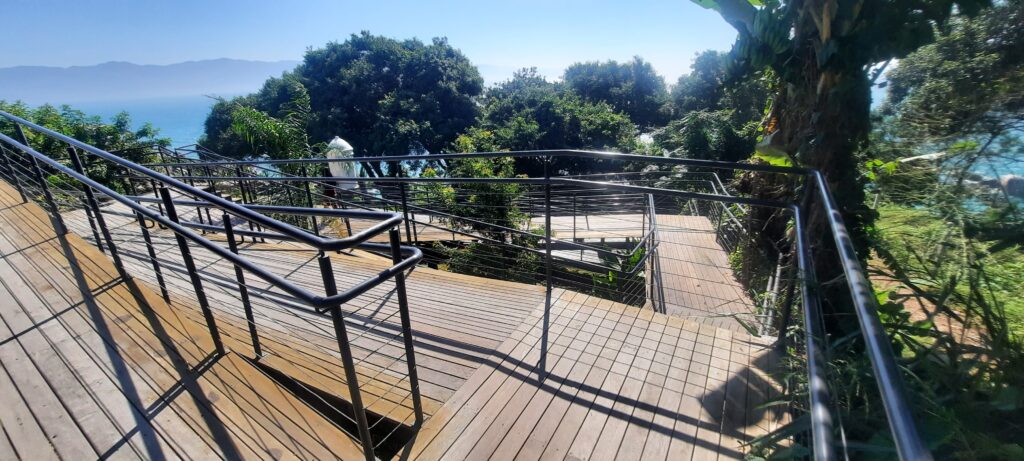
In the historic center, the Cathedral of Our Lady of Exile and the Public Market They demonstrate how symbolic, cultural, and everyday spaces can be structured to guarantee circulation, permanence, and participation for all. In Santo Antônio de Lisboa, the Church of Our Lady of Necessities This reinforces the importance of accessibility, even in historical attractions located within traditional landscapes.
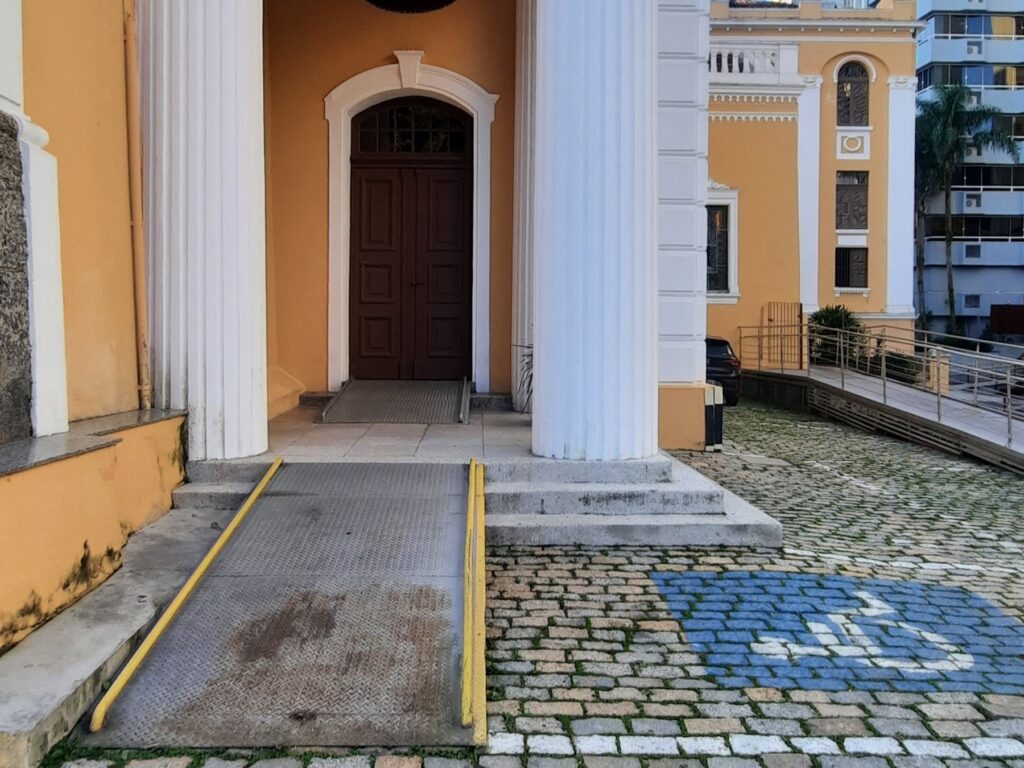
Spaces for contemplation and leisure, such as the Praia Mole Viewpoint, the Florianópolis Museum and the Coconut Tree Park, They complement this network by ensuring that contact with the landscape, memory, and well-being are also accessible.
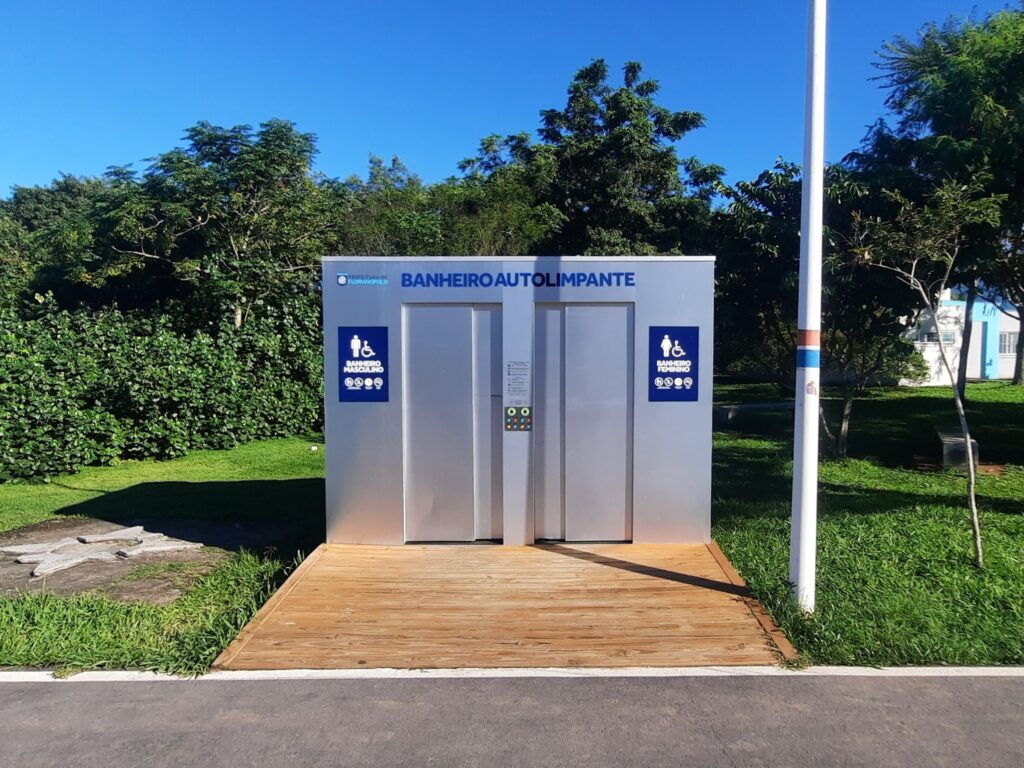
By strengthening a network of accessible attractions, Florianópolis ensures that tourism is experienced holistically, connecting nature, culture, history, and leisure, and guaranteeing that... so that all people can access, move around, and remain in the destination with autonomy and safety..
Accessibility as a pillar of the Smart Tourism Destination
This network of accessible experiences directly relates to the concept of Smart Tourist Destination (DTI), a management model that uses strategic planning, innovation, technology, and institutional integration to enhance the visitor experience while simultaneously improving the quality of life for the local population. DTIs are structured around five fundamental pillars — governance, innovation, technology, sustainability and accessibility — that guide the development of tourism in an organized, efficient, and inclusive manner.
In this context, accessibility is not treated as a differentiating factor, but as a... essential requirement. A destination can only be considered truly smart when it ensures that its spaces, services, and experiences can be enjoyed by all people, without physical, communicational, or attitudinal barriers. By adopting the DTI model, the municipality manages tourism in a more strategic and data-driven way, promoting better use of public resources, strengthening the destination's competitiveness, and expanding the reach of tourist experiences.
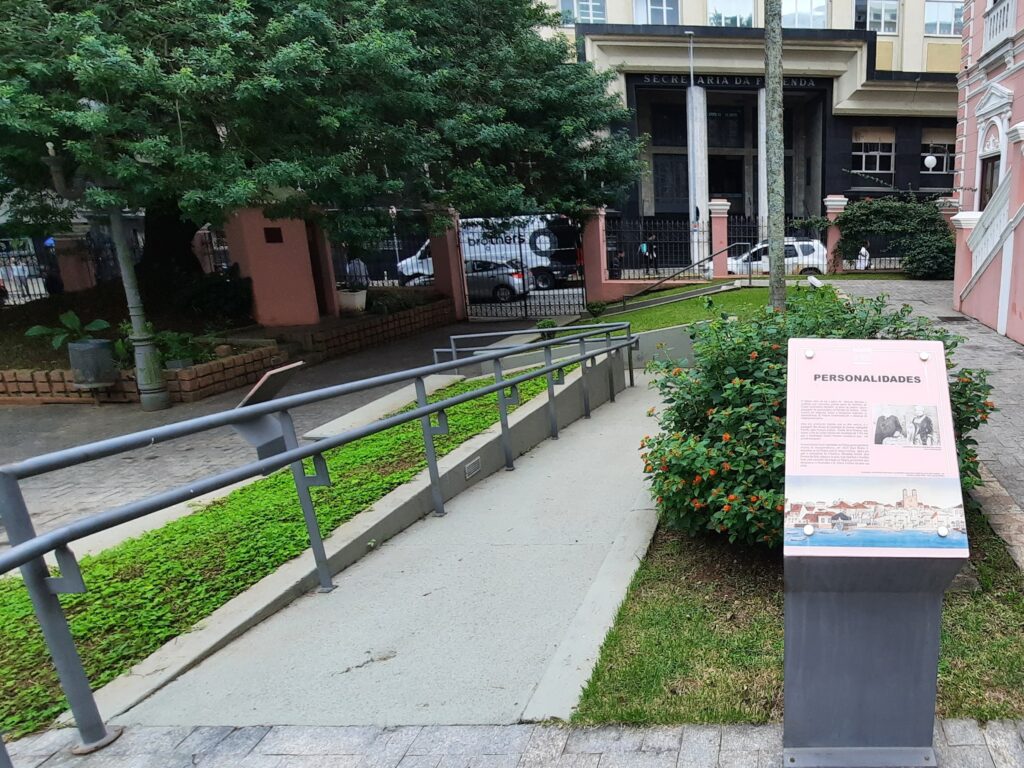
By integrating accessibility into its attractions and public spaces, Florianópolis is making concrete progress in this management model, demonstrating that inclusion, innovation, and sustainability are inseparable elements in the development of a more responsible tourism sector, prepared for the future.
Sustainability as a structuring axis of accessible tourism.
Accessibility in tourism is directly linked to the concept of sustainability, especially when understood in its social dimension. A sustainable tourist destination is one that promotes inclusion, equity, well-being, and quality of life, ensuring that tourism development generates broad and lasting benefits for visitors and residents.
By investing in accessibility, the municipality acts concretely to reduce inequalities, value human diversity, and build fairer and more resilient cities. Eliminating physical, communicational, and attitudinal barriers contributes to expanding the right to the city, strengthening the democratic use of public spaces, and enhancing the tourist experience in a responsible manner.
In this sense, sustainability in tourism goes beyond environmental preservation. It involves inclusive urban planning, efficient use of public resources, stimulation of the local economy, and the creation of environments that promote coexistence, autonomy, and safety for all people. Accessibility, therefore, is a strategic element to ensure that tourism growth is aligned with social development and the improvement of the population's living conditions.
This approach aligns with international benchmarks for sustainable tourism, such as the Biosphere Certification, which recognizes destinations and organizations committed to the Sustainable Development Goals (SDGs). Among these goals, the reduction of inequalities, the promotion of sustainable cities and communities, and the strengthening of responsible and inclusive tourism stand out.
Thus, by incorporating accessibility as a structuring principle of its policies and actions, the municipality not only enhances its tourism offerings but also consolidates an integrated sustainability strategy, aligned with global agendas and prepared for the challenges of the future.
Girus's vision on accessibility in tourism.
In Girus Tourism Solutions, Accessibility is understood as a strategic axis for destination development. It enhances the tourism experience, expands markets, strengthens the institutional image, and aligns the territory with international best management practices.
More than just meeting standards, accessibility is about to create more humane, intelligent, and future-ready destinations.
Conclusion
The experience of Florianópolis shows that accessibility, innovation, and sustainability are not parallel paths, but part of the same tourism development strategy. An accessible destination is more competitive, fairer, and better prepared for the challenges of contemporary tourism.
Investing in accessibility is investing in people. And that is, above all, investing in the future of tourism.