
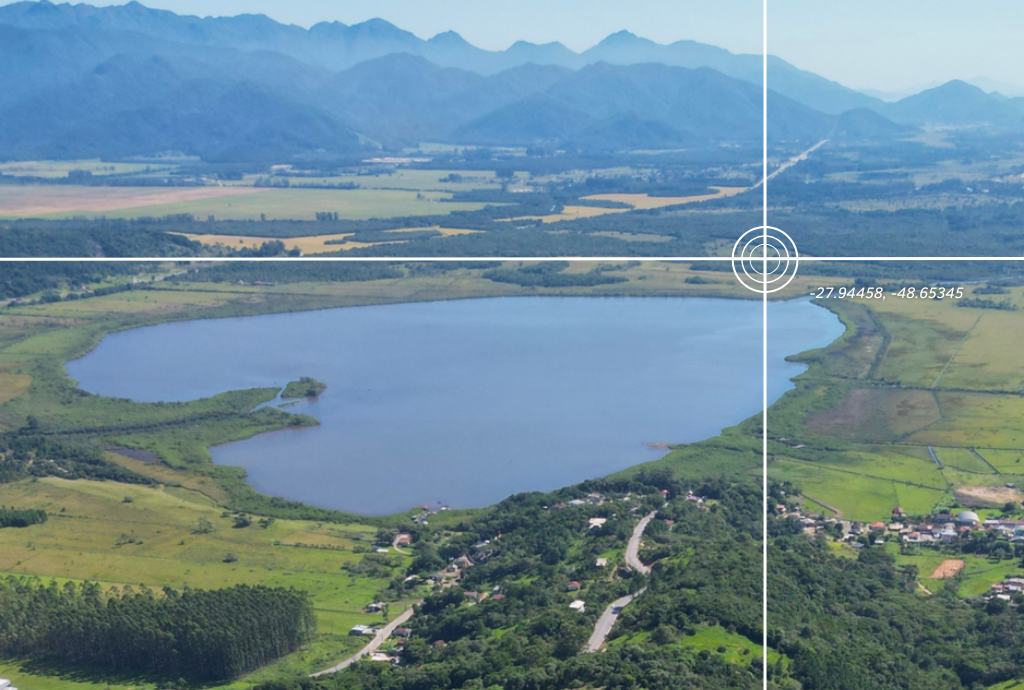
Located in one of the most preserved natural settings on the Santa Catarina coast, Paulo Lopes is establishing itself as a destination for nature tourism. To strengthen this vocation, the city hall, in partnership with the community and with the strategic support of SEBRAE/SC, has begun implementing the Paulo Lopes Cycling Circuit, with a route of approximately 68 km.
The recommendation for specialized consulting was made by SEBRAE/SC, which invited Girus Soluções em Turismo to lead the technical aspects of the project. This initiative originates within the Municipal Tourism Plan and has the active participation of entrepreneurs, cyclists, local enthusiasts, and partner institutions. The objective is to offer a structured, safe experience integrated into the local economy, highlighting the natural and cultural attractions and businesses of the region.
The Challenge
The proposal for a cycle tourism circuit involves much more than defining a route. It was necessary to:
- To ensure safety on all sections (including crossing BR-101 and tunnel areas).
- To structure a network of support points for cycle tourists.
- Establish local governance to ensure the continuity of the project.
- Create a registration and certification system that values the cyclist's effort and generates data for management.
- Having the institutional support of SEBRAE/SC will help connect entrepreneurs and strengthen the project's economic base.
1. Definition and Validation of the Course
With the support of SEBRAE/SC and the technical execution by Girus, an initial route was presented, passing through strategic locations such as Cafeteria Smaniotto, the chapels of Santo Antônio and Nossa Senhora do Espraiado, Cervejaria Bugio, Engenho Lanches, Cascata Encantada, Morro Agudo, the Events Park, Eco Mirante, among others.
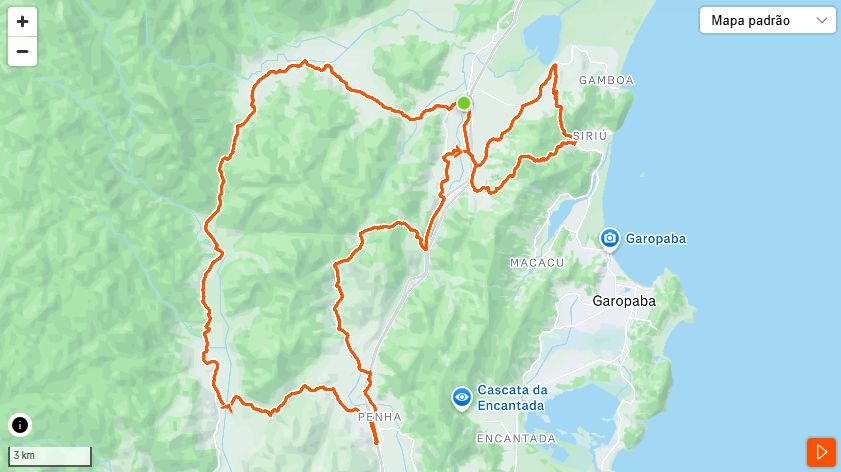
This route was made available collaboratively on Strava, allowing local cyclists to suggest alternatives. Final validation was carried out in a participatory manner, prioritizing safety, tourist interest, and technical level.
2. Mapping and Signage
One of the central aspects of the Circuit is the signage, which, in addition to organizing the route, ensures safety, accessibility, and standardization. The entire process was conducted by Girus based on national and international references, adopting the standard of the Brazilian Network of Long-Distance Trails (RBTC/ACM), which guides the signage of hiking and cycling circuits throughout the country.
The signage is being installed strategically and will consist of different types of signs:
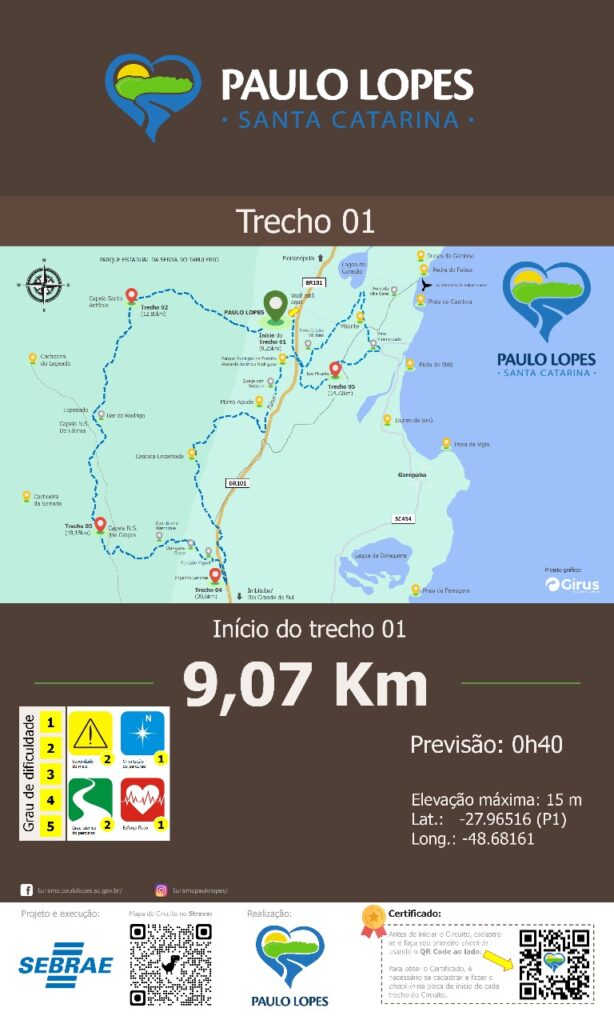
Circuit section signs
Located at the beginning of each segment, they feature a map, technical information (mileage, elevation gain, and difficulty level), and a QR code for digital check-in.
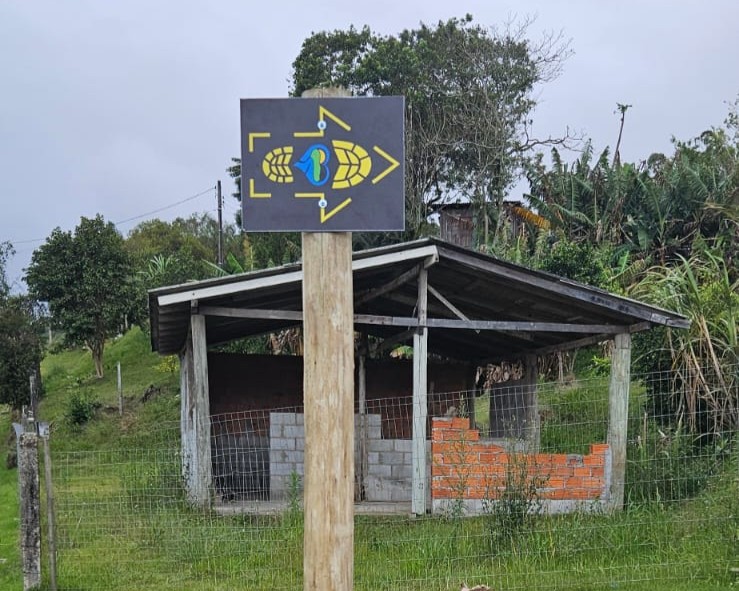
Directional signs
Distributed every 500 meters to 1 km, indicating the correct direction of the route and reinforcing safety. These signs follow the RBTC/ACM standard, ensuring alignment with other long-distance routes in Brazil.
Support point and member plates
They identify partner establishments (members of the circuit), such as restaurants, bakeries, bicycle shops, and inns. These signs indicate to cyclists the availability of services (water, restrooms, technical support, food) and, at the same time, reinforce the circuit's identity within local businesses, consolidating the support network.
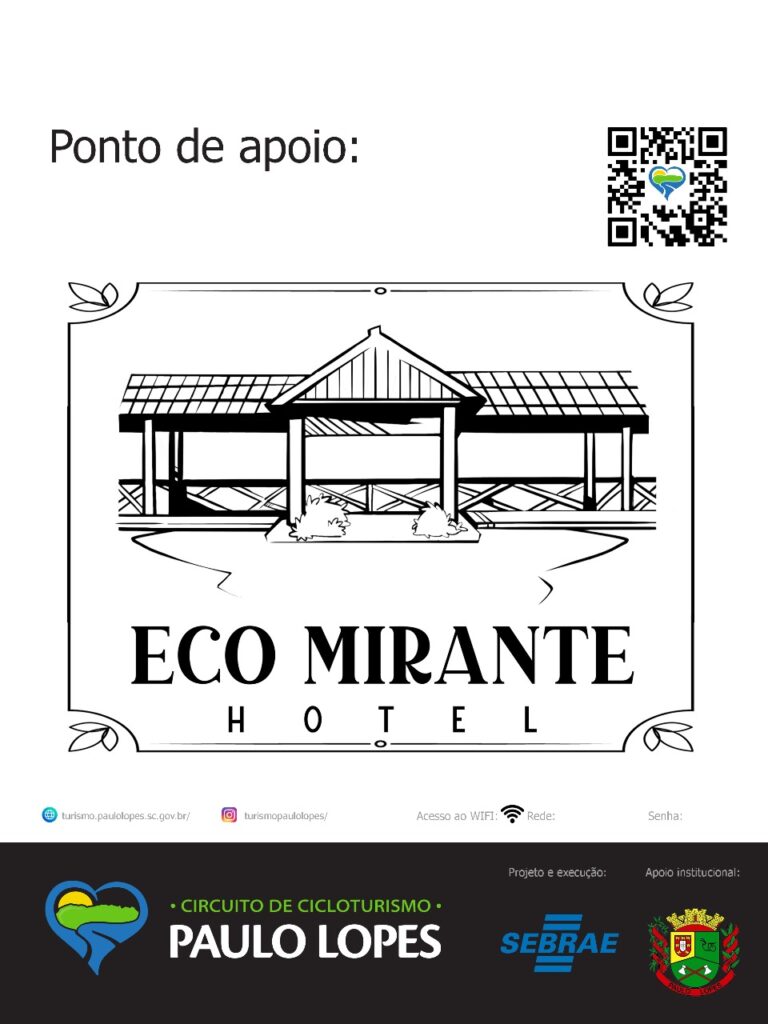
This structure not only organizes the route, but also creates a standardized and safe experience, connecting Paulo Lopes to the national movement of trails and cycle tourism, and preparing the municipality to integrate future regional routes.
3. Participatory Governance
SEBRAE/SC contributed directly to mobilizing entrepreneurs and the community, ensuring that the project went beyond a cycling route and also became a local development strategy.
Girus structured its governance with regular meetings, internal regulations, and a management group made up of representatives from the community, the tourism industry, and the public sector, ensuring the continuity of the circuit.
4. Identification of Support Points
More than 15 support points have already been mapped, including restaurants, inns, and establishments that have made themselves available to receive cyclists, offering basic services such as water, restrooms, and logistical support.
5. User Registration and Certification
Girus developed a check-in system via QR Code on the signs, integrated with Google Forms. Cyclists who complete the route can request a digital or printed certificate for a symbolic fee used for circuit maintenance. In addition, the QR Codes will allow monitoring of usage data (origin of visitors, most accessed sections, etc.), offering strategic input for management and marketing.
Expected Results and Impacts
Although the circuit is still in the implementation phase (September 2025), the expected impacts include:
- Increased flow of visitors to restaurants, inns, and local businesses.
- Integration of sports tourism with natural and cultural heritage.
- Consolidation of Paulo Lopes as a benchmark destination for cycle tourism in Santa Catarina.
- Community engagement and strengthening participatory governance.
- Qualification of the tourism trade with support from SEBRAE/SC, increasing the sustainability of the project.
Conclusion
The implementation of Paulo Lopes Cycling Circuit This demonstrates how the combination of institutional coordination and specialized technical execution can generate transformative results. SEBRAE/SC ensured the connection between entrepreneurs and the community. Girus Soluções em Turismo provided the necessary expertise to structure the route, signage, governance, and certification system.
The project stands out as an example of sustainable and collaborative tourism, which not only attracts cyclists but also generates concrete benefits for the entire region.
To stay up-to-date on the project's progress and learn about more initiatives like this, follow the profile of... Girus Tourism Solutions on social media.