
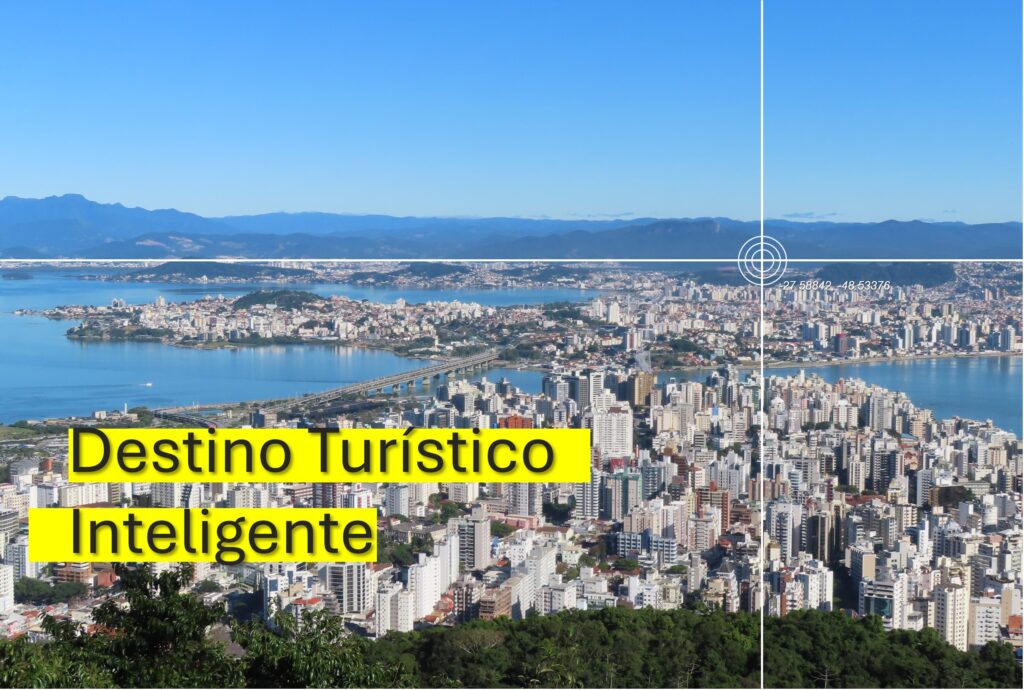
In the contemporary world, the tourism experience transcends a simple visit to new places; it becomes an enriching immersion that integrates modern technological resources, sustainable practices, and innovation to provide travelers with a memorable and sustainable journey. In this scenario, the Smart Tourist Destinations (DTI) They represent the vanguard of this evolution, combining digital infrastructure, advanced connectivity, and sustainable strategies to create environments that not only delight tourists and visitors but also preserve the cultural authenticity and environment of the destination visited.
Smart Tourist Destination: Origin and Concept
Originating in the 2010s, the concept of Smart Tourist Destination (DTI) It was driven by the convergence of technology, tourism, and sustainability, being created as a way to meet the growing demands of tourists and visitors for more integrated, personalized, and connected experiences within their destination. The concept of Digital Tourism Innovation (DTI) gained prominence with the advancement of digital technologies and the emergence of smart cities, which sought to apply innovative solutions to improve the quality of life of local residents and optimize the resources that make up urban infrastructure.
From this perspective, tourist destinations have begun to adopt similar approaches, using technologies such as the Internet of Things (IoT), big data, artificial intelligence, and augmented reality (AR) to enhance the tourist experience for visitors, promote efficient management of tourism offerings, and stimulate sustainable economic development. In this way, Smart Tourist Destinations emerge as a natural evolution of contemporary tourism, aligning technological innovation and sustainable practices capable of providing more efficient, personalized, and sustainable tourist experiences.
The pillars of development for Smart Tourist Destinations
Information and Communication Technologies (ICTs), Efficiency, Integrated Infrastructures, and Sustainable Development are considered essential pillars for driving the evolution of Smart Tourism Destinations. ICTs They play a crucial role, providing digital infrastructure for the collection, processing, and analysis of data relevant to the management and improvement of the tourist and visitor experience. In turn, the Efficiency This is achieved through process automation, resource optimization, and improved accessibility, ensuring that tourism services are offered quickly, conveniently, and at an affordable cost. Infrastructure Integration Its purpose is to create a cohesive and interconnected network of transportation, accommodation, tourist attractions, restaurants, and other services, facilitating mobility and accessibility at the destination, as well as promoting better management of the tourism supply. Finally, the Sustainable Development It is a central pillar, encouraging practices that preserve the environment, promote the social and economic inclusion of the local community, and respect the local culture and historical heritage, thus ensuring responsible and sustainable tourism.
Together, the aforementioned pillars form the basis for building smart tourist destinations that provide memorable, sustainable, and connected experiences for visitors and tourists.
Smart Tourism Destinations in Brazil and around the world
Several tourist destinations around the world and in Brazil have stood out for their smart and innovative approach to tourism. Internationally, cities such as Singapore, Dubai (United Arab Emirates), Amsterdam (Netherlands), Athens (Greece), Barcelona (Spain), Berlin (Germany), Zurich (Switzerland), and Bangkok (Thailand) are some pioneering examples in smart technologies, offering everything from mobile applications to facilitate tourist navigation to advanced public transportation systems.
In Brazil, in addition to Gramado (RS) and Foz do Iguaçu (PR), destinations such as Florianópolis (SC), Brasília (DF), Campo Grande (MS), Salvador (BA), Angra dos Reis (RJ), and Rio de Janeiro (RJ) are also adopting sustainable practices and innovative technologies to improve the visitor experience, from urban mobility solutions to environmental preservation initiatives. These destinations are leading the way towards smarter tourism, combining rich local culture with the advantages of modern technology.
In summary, Smart Tourist Destinations represent the future of urban tourism, combining technological innovation, sustainability, and an enhanced visitor experience. With an approach centered on the intelligent use of data and the integration of systems, these destinations are redefining the standards of excellence in the travel and tourism sector, offering visitors a more connected, efficient, and enriching journey.