
Introduction
The municipality of Paulo Lopes, in Santa Catarina, stands out for its initiative in developing and implementing a Municipal Tourism Plan (PMT). This planning process, developed in partnership with Sebrae/SC and executed by Girus Soluções em Turismo, serves as an essential tool to guide the actions of the Municipal Secretariat of Culture and Tourism and the Municipal Tourism Council (COMTUR). The primary objective of the PMT is to promote sustainable tourism development in the municipality, valuing the interaction and integration of tourism with the local community, improving the tourist experience and stimulating entrepreneurship. The Paulo Lopes PMT, in its 2024 edition, is structured around several analyses and an action plan composed of 36 actions, divided into five strategic components: "Tourism Product", "Communication and Support for Tourism Marketing", "Socio-environmental Sustainability", "Strengthening the Institutional Framework" and "Infrastructure and Basic Services".
The relevance of this case study lies in demonstrating the transition from planning to execution, as evidenced by the actions being developed in the municipality. The COMTUR meetings serve as a vital space for monitoring and coordinating these initiatives, bringing together representatives from the public sector, private sector, and organized civil society.
The Execution of PMT Actions in Progress
Several actions established in the PMT are in the development or active implementation phase.
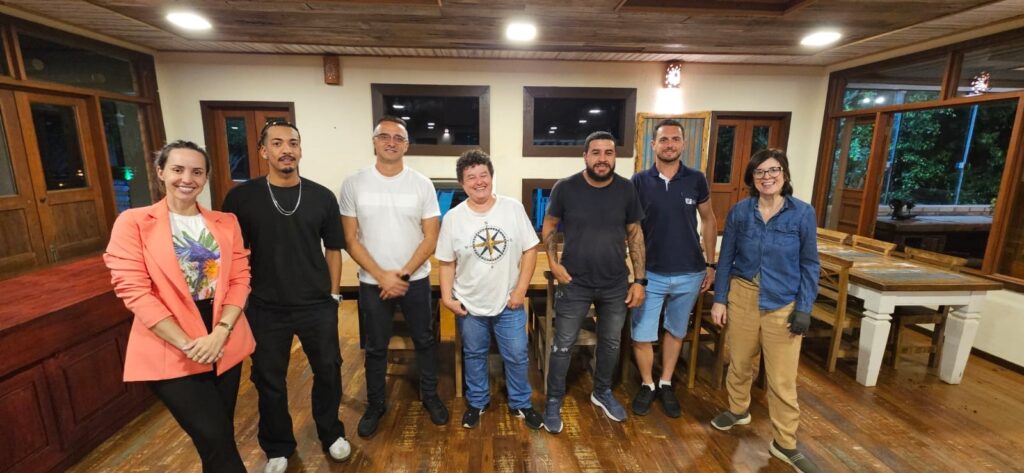
- Strengthening the Institutional FrameworkThe COMTUR (Municipal Tourism Council) underwent updates to its composition. Furthermore, a Community and Tourism Trade Awareness Session was held on May 28th, with the participation of the Mayor, Secretary Leonara (presenting ongoing actions), COMTUR members (presenting the council's role), and consultant Carlos Cappelini (presenting the PMT – Municipal Tourism Plan) and opportunities for local tourism). This action is directly linked to the "Strengthening the Institutional Framework" component defined in the plan.
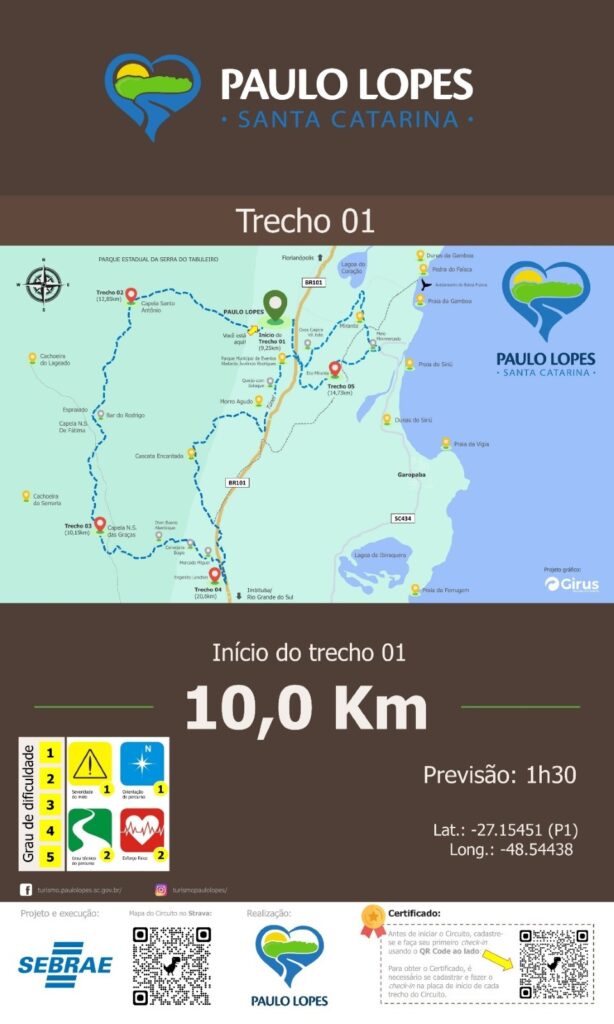
- Tourist ProductIn line with the development of tourism products, specifically the cycle tourism potential identified in the PMT (Municipal Tourism Plan), the creation of an official Cycle Tourism Circuit for Paulo Lopes is underway. The consulting team has already developed the basis for the signage material for the Circuit, which includes identification signs for 5 sections, directional signs, signs for Support Points, and identification signs for the 20 members of the Circuit. This action is defined in the "Tourism Product" component of the PMT.
- Communication and Support for Tourism MarketingAiming to strengthen market access and destination communication, a tourism promotional flyer (unfolded file, front and back) was produced for distribution at Agropolo and tourism fairs in Balneário Camboriú and Foz do Iguaçu. Additionally, a brochure (double-folded file) will be produced in the coming months, containing more detailed information, text, images, and a tourist map of the municipality. A briefing for the brochure's graphic design has already been prepared.
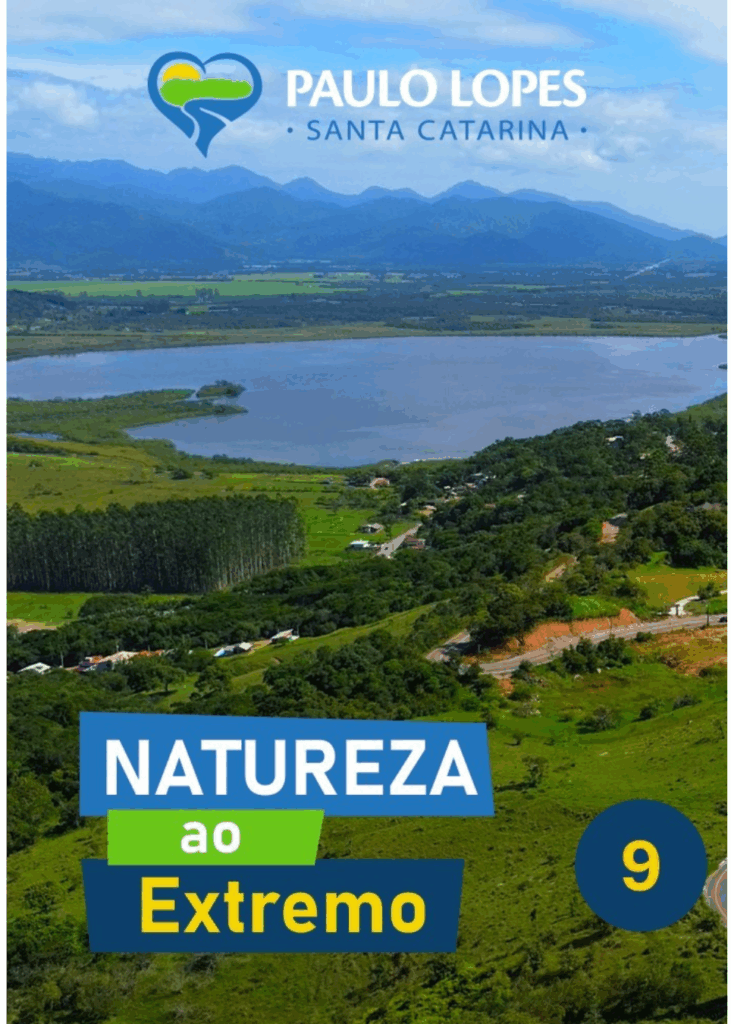
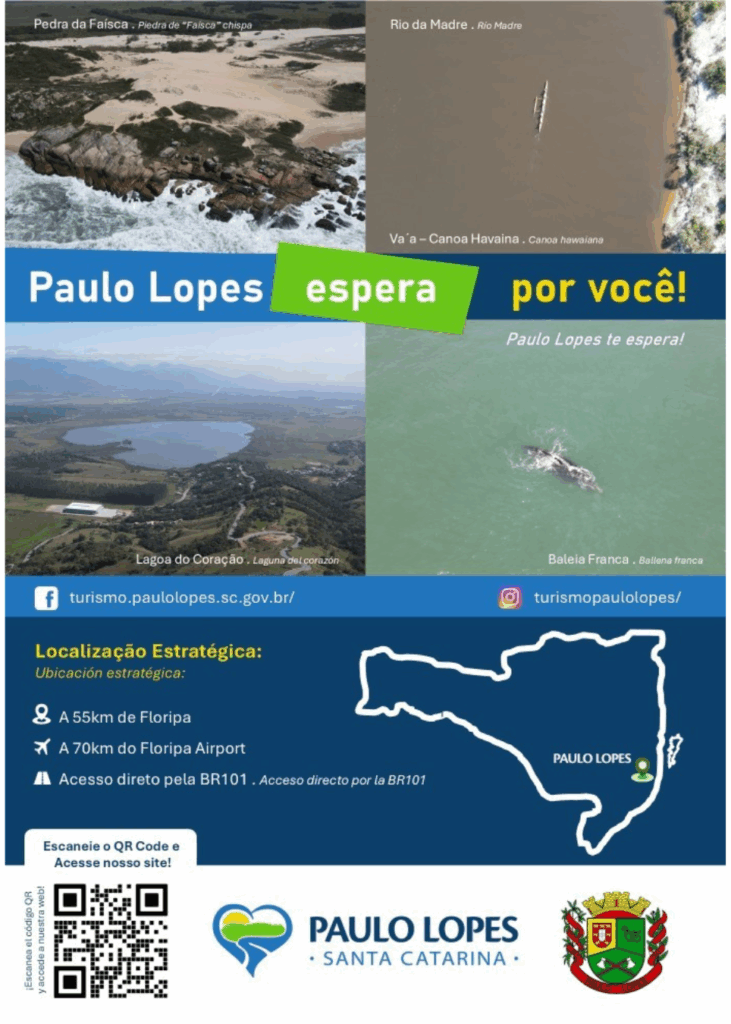
Tourist promotional flyer by Paulo Lopes
- Infrastructure and Basic Services: The Municipal Government is developing relevant infrastructure projects for tourism, such as the Covered Street Project (under development by the Association of Municipalities of Greater Florianópolis – GranFpolis), the Siriú Viewpoint Project (with R$14,500,000 transferred by the State Governor), and the Guarda do Embaú Beach Footbridge Project (currently undergoing environmental licensing, as it is located within the Coastal Surroundings Environmental Protection Area and the Southern Right Whale Environmental Protection Area). Tourist information signage, also developed by GranFpolis, is another initiative of the Municipal Government, related to the "Infrastructure and Basic Services" component of the Municipal Tourism Plan and to the signage of the cycle tourism circuit.
Partnerships and Strategic Coordination
The case of Paulo Lopes illustrates the importance of coordination between different actors for the implementation of the plan. The partnership between the City Hall, Sebrae (Brazilian Micro and Small Business Support Service), and the regional governance entity GranFpolis is fundamental. COMTUR (Municipal Tourism Council), as a municipal council, fulfills its advisory and deliberative role, serving as a forum for presenting updates and discussions on ongoing actions. The inclusion of different municipal secretariats, civil entities (such as the CTG – Gaucho Tradition Center), and security forces (Military Police) in the discussion and composition of COMTUR demonstrates an effort towards representativeness and multi-sectoral coordination, essential for tourism management.
Lessons for Tourism Secretaries in Brazil
Paulo Lopes' example offers valuable insights for public tourism managers in other Brazilian municipalities:
- The Essence of Planning: A well-structured Municipal Tourism Plan is not just a document, but a practical roadmap for the development of the sector, organizing actions into clear components.
- Strategic Partnerships: Collaboration with development entities such as Sebrae and regional governance bodies such as GranFpolis expands the municipality's technical and implementation capacity.
- The Vital Role of the Municipal Council: COMTUR is an irreplaceable platform for coordination between public authorities, the private sector, and civil society, ensuring that planned actions are discussed, monitored, and aligned with local needs.
- Translation into Concrete Actions: The success of a plan lies in its ability to translate into tangible projects and initiatives, such as the development of circuits, promotional materials, and institutional strengthening, demonstrating to the community and the trade that the planning is in motion.
- Multidimensional Approach: The PMT and ongoing actions in Paulo Lopes address different fronts – product, market, institutional and infrastructure – recognizing the complexity of the tourism ecosystem.
Conclusion
The case of Paulo Lopes demonstrates that the development of a Municipal Tourism Plan is a fundamental step that, when combined with an active and coordinated implementation strategy through partnerships and the municipal council, can generate concrete results for tourism development. The execution of the actions defined in the plan, as seen in the Cycling Tourism Circuit, promotional materials, and the strengthening of the Municipal Tourism Council (COMTUR), signals a commitment to transforming the municipality's tourism potential into reality. For Tourism Secretaries throughout Brazil, this case study reinforces the message that planning is the starting point, but diligent, articulated, and multifaceted execution is what drives the sustainable development of the destination. Investing in the development and, crucially, the implementation of a Municipal Tourism Plan is investing in the future of tourism.