
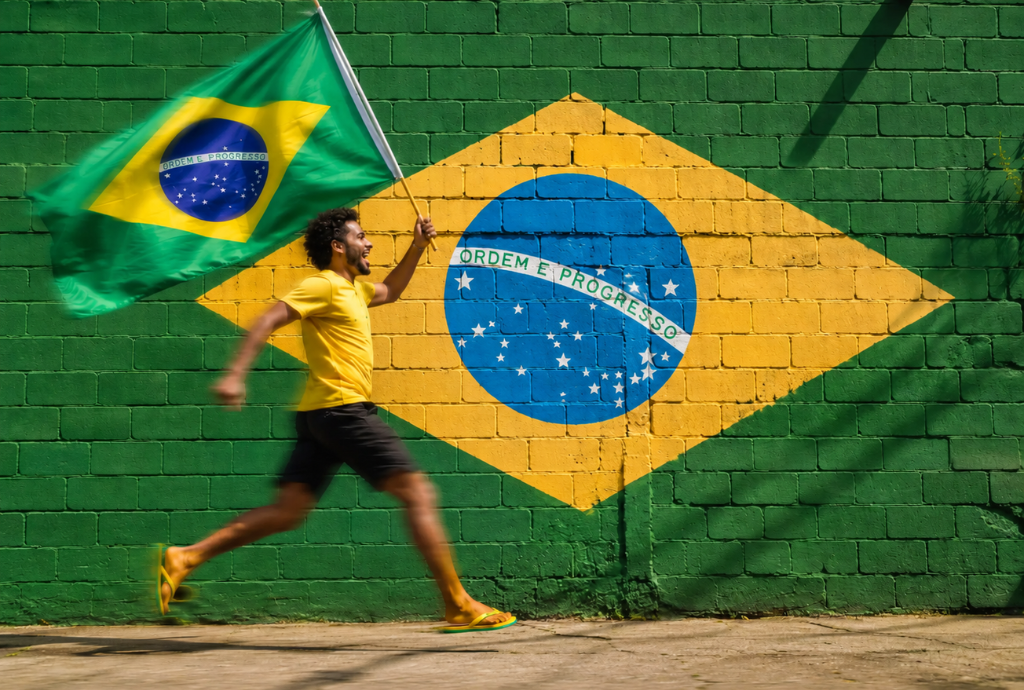
There is something profoundly ironic about what is happening to Brazil right now.
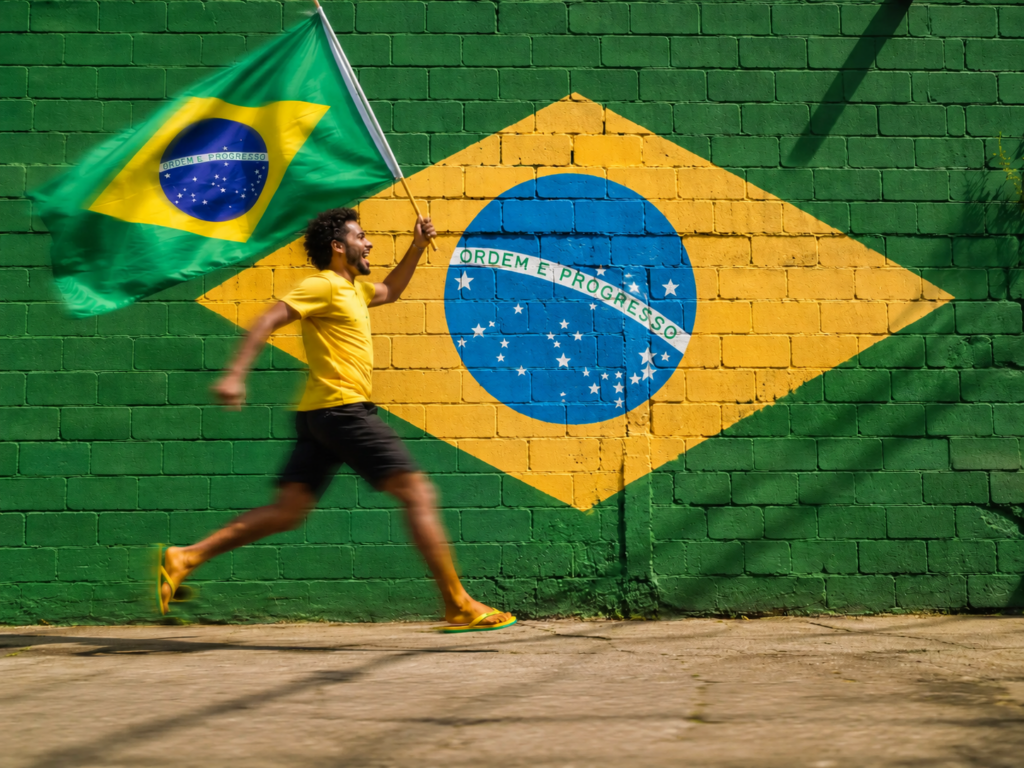
For decades, Brazilians learned to look outward before looking inward. The dream trip was to Europe. Prestige products had imported labels. Havaianas flip-flops were considered "tacky." The national team jersey, outside of game days, was considered "gaudy." Funk music was considered "something from the favelas.".
And then the world changed its perspective — and revealed what Brazilians couldn't see because they were too close.
What was once considered "tacky" has become a global trend. What was once considered "gaudy" is now displayed in shop windows in Paris, Milan, and Tokyo. Rio funk is on European playlists. Havaianas flip-flops were the most coveted item in the world in the third quarter of 2025, with a 34% increase on the Lyst Index. And Google searches for "Brazilian culture" reached their highest peak in 20 years in the first week of February 2026.
This has a name: Brazil Core. And it's not just a fashion trend. It's a sign of something much bigger happening — with direct implications for tourism, for destinations, and for the communities that work with Brazilian hospitality.
What is Brazil Core?
O Brazil Core It's a term that emerged on social media to describe an aesthetic built around the most recognizable symbols of Brazilian culture: the colors green, yellow, and blue; tropical prints; crochet; Havaianas flip-flops; the national team jersey; funk music; carnival; and the exuberance of nature.
O Brazil Core It has become one of the most talked-about aesthetics on fashion social media, from TikTok to Instagram, bringing Brazilian style to shop windows, runways, and influencers abroad. This movement wasn't created by a marketing agency or government campaign. It emerged organically, driven by algorithms and a moment when the world, tired of uncertainty, seeks joy, authenticity, and human warmth.
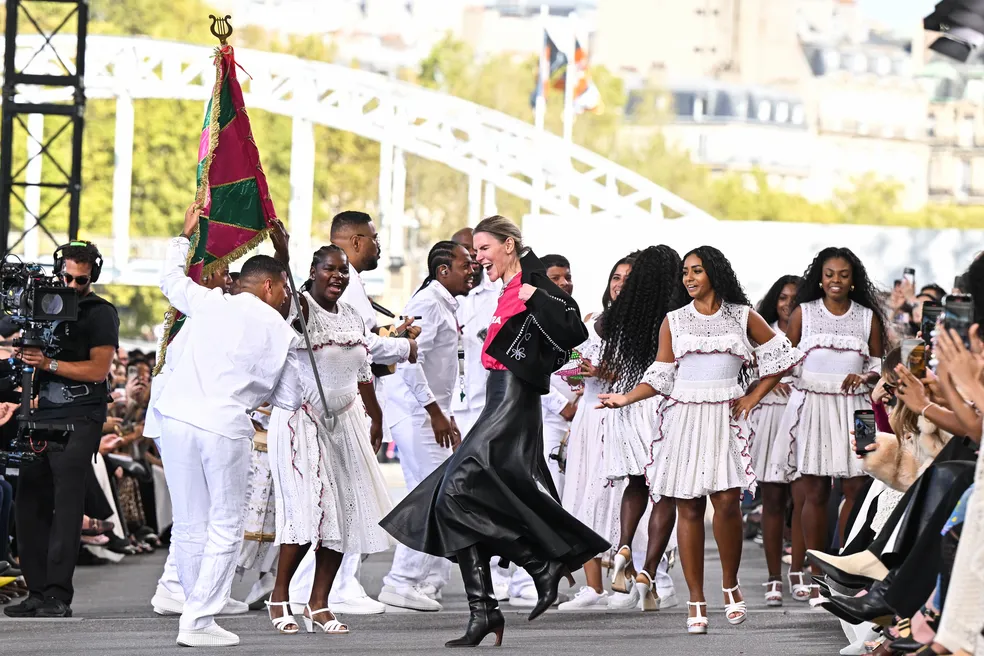
Soft power has concrete weight. The Rio-based company Farm Rio surpassed 100 stores and more than 2,000 global distribution points in 2025, with growth in the international market of 21% (O TEMPO, 2026). The Mangueira samba school's drum section closed the Chloé fashion show at Paris Fashion Week. The PatBo brand had pieces worn by Beyoncé. Rihanna and Hailey Bieber have publicly embraced Brazilian aesthetics.
Two consecutive years at the top of the world cinema.
If any doubt remained about Brazil's cultural prominence, the Golden Globes dispelled it. Wagner Moura made history by winning the Best Actor in a Drama Film award for "The Secret Agent" (CNN BRASIL, 2026), repeating the feat of Fernanda Torres, who won Best Actress in 2025 for "I'm Still Here". Two consecutive wins. It's not a coincidence—it's a trend. Brazilian cinema has been proving that it has powerful, original, and universal narratives (FAUSTOLEITE.COM.BR, 2026).
In his speech broadcast to the world, Wagner Moura concluded with: “Long live Brazil! Long live Brazilian culture!” It was no empty gesture. It was the summary of a turning point.

The numbers that turn trends into reality.
Cultural trends are nice. But what matters to those who work in tourism is when they translate into a real flow of people and development.
Brazil received almost 9.3 million foreign visitors in 2025 — a number never before recorded, representing a growth of 37.11% compared to 2024. This performance placed Brazil as the country with the greatest expansion in international tourist flow in the world (BEST INVESTMENT, 2026). For reference: the federal government's target was 6.9 million. Brazil surpassed its own projection by more than two million tourists.
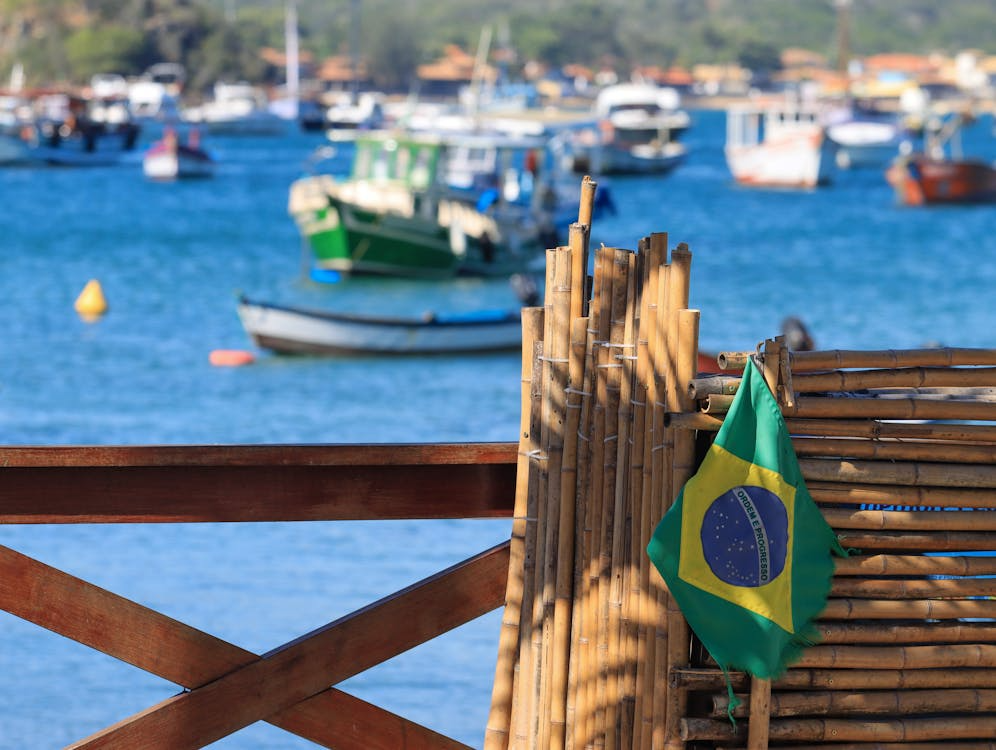
Foreign visitors injected R$29 billion into the national economy, a growth of 111% compared to the previous year (VISIT BRAZIL, 2025). And the most revealing sign: 90% of foreign visitors say they would recommend Brazil, while only 2% report a negative evaluation of the experience (PANROTAS, 2026).
This index indicates that the real-life experience lives up to the image constructed on social media — something that many destinations attempt and few achieve.
What's behind this turnaround?
There is a confluence of factors that created this moment:
The world is looking for exactly what Brazil has. The new traveler wants authenticity, emotion, real nature, and gastronomy with identity. Brazil emerges as a global reference in the context of a world marked by crises and mental health challenges, which increases the search for relaxed and positive experiences (BANNWART, 2026).
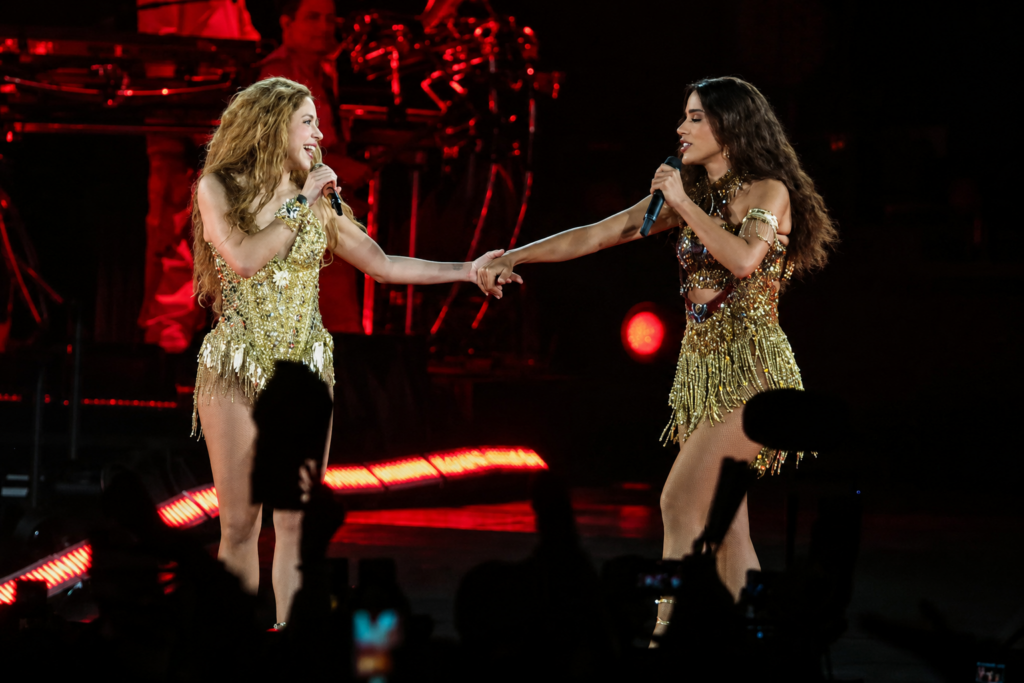
The major events acted as catalysts. The "Everyone in Rio" events, featuring Madonna, Lady Gaga, and Shakira, placed the country at the center of the global pop music agenda. The 2026 World Cup, currently underway with the national team aiming for its sixth title, further expands this visibility on a global scale.
The productive sector responded. The Brazilian textile and apparel sector is projected to generate over R$220 billion in revenue in 2025, consolidating its position among the five largest in the world, with approximately 25,700 companies and 1.34 million direct jobs (O TEMPO, 2026).
The challenge that nobody wants to face.
All of this sounds like good news. And it is. But there's an uncomfortable question that needs to be asked—especially by those who work in sustainable tourism:
Is Brazil prepared to receive the interest it is generating?
O Brazil Core It created a powerful imagery. But images need structure behind them. When a tourist lands in a destination inspired by the colorful universe of social media, what do they actually find?
As researchers from USP point out, the international circulation of Brazilian cultural elements involves symbolic disputes and economic interests. On the one hand, there are elements that promote real cultural change; on the other, there are purely aesthetic issues, catering to fads and a market dynamic in which these contents are consumed in a purely commercial way (JORNAL DA USP, 2026).
The distinction has direct implications for tourism. A destination that uses aesthetics without building a real experience is betting on a passing trend. A destination that translates this visibility into a high-quality, genuine, and sustainable tourism product is building something lasting.
Brazil has always been seen as a strong, but internal, market. The opportunity to receive people from all over the world is enormous — there's Rio and São Paulo, known worldwide, but there's much more to Brazil: in the South, in the Northeast, there's much more to be discovered (ADIT BRASIL, 2025).
This "much more Brazil" is where the greatest opportunity lies — and the greatest risk.
The time to act is now.
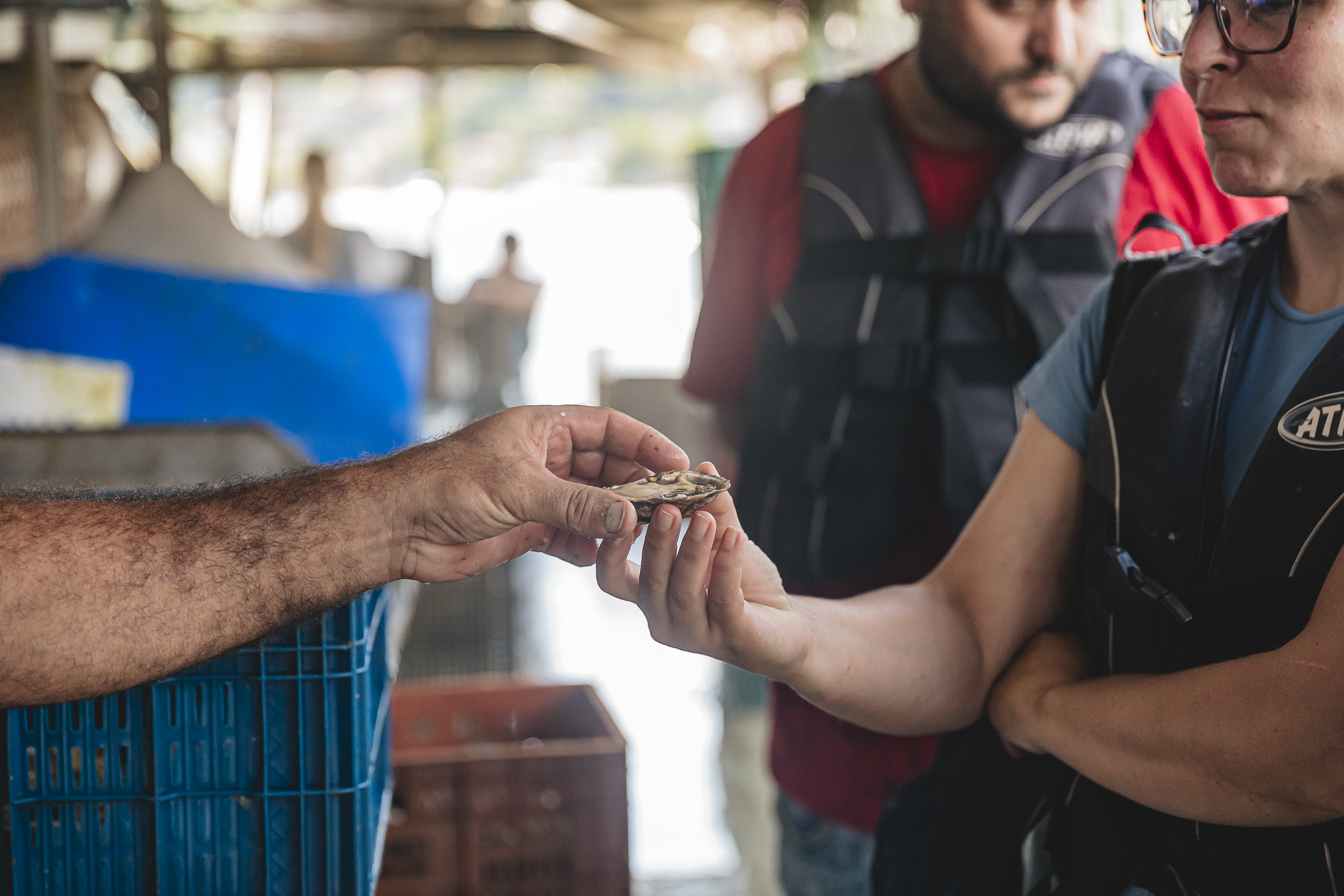
O Brazil Core It won't last forever as a hype. Trends have a life cycle. But what can last far beyond the trend is the structure built now: the governance of destinations, the quality of experiences, the organization of offerings, the involvement of communities.
The combination of cultural diversity, preserved nature, territorial authenticity, and expanding air connectivity has placed Brazil on the international strategic radar (PANROTAS, 2026). These pillars did not arise by chance—they are the result of decades of cultural resistance, environmental conservation, and hospitality. The challenge now is to ensure that the growth in tourism does not degrade precisely what attracted visitors.
Destinations that seize this moment to organize themselves, improve their offerings, and strengthen their territorial identity will be well-positioned not only for the current hype but for the years to come. Destinations that wait for the hype to do the work for them will see the flow come and go without leaving much behind.
Brazil no longer needs to ask for permission.
For a long time, Brazilians needed external validation to believe in what they had. That cycle is being broken.
The flip-flops that were once considered tacky are now on the catwalks. Samba opened a Parisian fashion show. Brazilian cinema has won global awards for two consecutive years. And tourists are arriving—more than 9 million by 2025, the highest growth in the world—confirming that Brazil truly delivers.
But delivery isn't automatic. It's built. Destination by destination, experience by experience, management by management.
O Brazil Core The window has opened. It is up to Brazilian tourism — with planning, sustainability, and a long-term vision — to transform this opportunity into real development.
The world has discovered what Brazilians have always known. The question now is what Brazil will do with this new perspective.
Girus Soluções em Turismo works in the strategic planning of sustainable destinations, supporting municipalities and businesses to transform visibility into real development. Learn about our services and find out how to structure your destination for the new cycle of Brazilian tourism.
References
ADIT BRASIL. Brazilian tourism enters a mature growth phase, and executives project expectations for 2026. Available at: https://adit.com.br/turismo-brasileiro-entra-em-fase-madura-de-crescimento-e-executivos-projetam-expectativas-para-2026/. Accessed on: May 13, 2026.
ARCHTRENDS PORTOBELLO. Brazilcore: How our country became an international trend. Available at: https://blog.archtrends.com/brazilcore/. Accessed on: May 13, 2026.
BANNWART, Gisele. Brazilian culture on the rise: when cultural identity becomes a market opportunity. NIS Summit, Limeira, March 11, 2026. Available at: https://nisummit.com.br/en/brasilidades-em-alta-quando-identidade-cultural-se-transforma-em-oportunidade-de-mercado/. Accessed on: May 13, 2026.
CNN Brazil. Golden Globe Awards 2026: Wagner Moura makes history and wins Best Actor award. São Paulo, January 12, 2026. Available at: https://www.cnnbrasil.com.br/entretenimento/globo-de-ouro-2026-wagner-moura-faz-historia-e-vence-premio-de-melhor-ator/. Accessed on: May 13, 2026.
FAUSTOLEITE.COM.BR. Wagner Moura at the 2026 Golden Globe Awards: a milestone in Brazilian culture. January 12, 2026. Available at: https://faustoleite.com.br/wagner-moura-globo-de-ouro-2026-cultura-brasileira-mundo/. Accessed on: May 13, 2026.
USP JOURNAL. Brazil Core and the dispute over the meanings of Brazilian aesthetics abroad. São Paulo: University of São Paulo, March 3, 2026. Available at: https://jornal.usp.br/atualidades/brazil-core-e-a-disputa-de-sentidos-da-estetica-brasileira-no-exterior/. Accessed on: May 13, 2026.
BEST INVESTMENT. International tourism in Brazil will hit a record high in 2025, placing the country on the global travel map. January 31, 2026. Available at: https://melhorinvestimento.net/noticias/turismo-internacional-no-brasil-recorde-2025-crescimento-global. Accessed on: May 13, 2026.
THE PEOPLE. Brazil is in vogue and is a trend in world tourism for 2026. Fortaleza, January 17, 2026. Available at: https://mais.opovo.com.br/jornal/reportagem/2026/01/17/brasil-esta-na-moda-e-e-tendencia-de-destino-internacional-para-2026.html. Accessed on: May 13, 2026.
TIME. Brazilcore: a trend that celebrates national icons goes beyond fashion and impacts other sectors. Belo Horizonte, May 11, 2026. Available at: https://www.otempo.com.br/moda-e-beleza/2026/5/11/brazilcore-tendencia-que-exalta-icones-nacionais-vai-alem-da-moda-e-impacta-outros-setores. Accessed on: May 13, 2026.
PANROTAS. Why is Brazil trending and what changes for agencies and operators? São Paulo, March 30, 2026. Available at: https://www.panrotas.com.br/mercado/destinos/2026/03/por-que-o-brasil-esta-na-moda-e-o-que-muda-para-agencias-e-operadoras_227072.html. Accessed on: May 13, 2026.
VISIT BRAZIL. International tourism will generate R$ 29 billion in Brazil in 2025. Available at: https://www.visiteobrasil.com.br/news/turismo-internacional-brasil-2025/. Accessed on: May 13, 2026.