
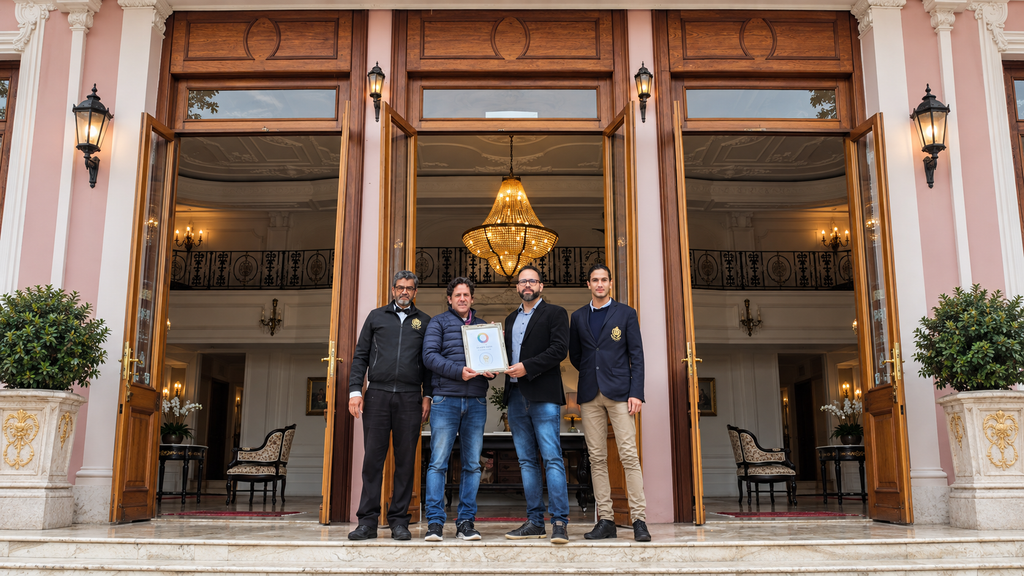
Biosphere in Florianópolis
Twelve months. That's how long it took us to go from "let's introduce Biosphere to the Santa Catarina market" to placing Brazil in second position in the South American ranking of companies with the Biosphere Commitment and Certification Seal — behind only Peru. And we haven't even reached our destination yet. 2026 promises to be the year we assume that leadership.
If you work in tourism in Florianópolis and haven't heard of yet... Biosphere, If you've heard of it but don't quite understand what it is, this text is for you. And if you already know what it is, but want to understand how we achieved this result in such a short time, it's also for you. Because it wasn't luck, it was a process—and it's about this process that we want to talk about here.
What is the Biosphere (and why does it matter)?
A Biosphere Sustainable It is an international platform for sustainability management, recognition, and certification, created in 1997 by the Responsible Tourism Institute (RTI). In practice, it exists to help companies and tourist destinations organize their sustainable practices, align them with the 17 Sustainable Development Goals (SDGs) of the UN's 2030 Agenda, and, at the end of the process, communicate all of this in a verified way to the market — clients, partners, OTAs such as Booking, Google, Expedia, and TUI recognize the seal.
The platform works with two stages of recognition, and it's important to understand the difference between them because it completely changes how we interpret the numbers we'll show later:
- Biosphere Committed (Seal of Commitment): It identifies organizations that have already put together a structured sustainability plan and are implementing the actions. It's the first step, but it's already a serious one—it requires diagnosis, an action plan, documented evidence, and an external audit.
- Biosphere Certified: This is the next stage, granted after an external audit that verifies everything that has been implemented. It is the most robust seal, the one that appears on OTAs and carries the greatest weight of international credibility.
Girus is the official Biosphere representative in Brazil, directly representing RTI to companies and destinations that want to participate in this process. It is precisely this partnership that has placed us within the operation, from start to finish: from the initial diagnosis to receiving the certification.
The work we've been doing (and what it really means on a daily basis)
The term "follow-up" sounds a bit vague, so let's be more specific about what that means in practice. When a company enters the Biosphere process with our guidance, the work covers several areas:
Diagnosis and identification of existing practices. Most businesses already do more sustainably than they realize—they just never stopped to document it. Our first task is to sit down with each company and map out what already exists: waste management, relationships with local suppliers, accessibility practices, social actions with the community, energy efficiency. Many things that seemed like "just a way of operating" become formal evidence within the platform.
Organization of documentation and evidence. Here's where the more technical part comes in: each declared action needs real evidence — photos, records, internal policies, invoices, whatever is relevant. We help organize this material in a way that makes sense for the audit, categorizing it by area (environment, society and culture, local development, among others) within the platform's methodology.
Implementation of new actions. Not every company comes with a ready-made sustainability plan. Part of our job is to suggest and help implement new practices — recycling, plastic reduction, accessibility, partnerships with local producers — so that the plan truly evolves and doesn't just remain on paper.
Support up to and beyond the Commitment Seal. We don't let go after the initial diagnosis. The follow-up is continuous and can continue until the company achieves the Biosphere Committed Seal, as in the case of companies in Florianópolis, or it can go until the Biosphere Sustainable Certificate is achieved.
That's how, company by company, we built this base in Florianópolis — without taking shortcuts. And the numbers started to show.
The numbers: where Brazil stands, and why that's surprising.
Here's the data that motivated this text. When you look at the South American ranking of companies with the Biosphere Commitment and Certification Seal, Peru leads—which isn't surprising, since the country has a much longer history with RTI. Currently, Peru has 19 companies on the platform, 7 of which already have full certification.
What's striking is what comes right after. Only in Florianópolis, We already have 16 companies engaged in the Biosphere process, with 3 of them already certified. In other words, a single Brazilian city, in less than a year of structured work, has reached a number of companies practically equivalent to that of an entire country that has been working with the methodology for much longer.
This is the type of data that, when placed side-by-side, changes the perception of the pace of adoption of certified sustainability in Brazilian tourism. It's not a one-off movement by one or two companies—it's a local ecosystem moving together, with a growth curve that already places Brazil in second position in South America in the number of companies with Commitment and Certification, behind only Peru and Argentina.
And the reason we're highlighting this isn't vanity—it's strategy. This pace is our evidence that the close monitoring model, with real diagnosis and implementation of actions (and not just "filling out forms"), works. And it's this model that we're scaling throughout 2026, with the stated goal of taking the South American leadership this year.
Who's already on the list: a snapshot of Florianópolis at Biosphere
It's worth highlighting who these companies are, because they represent very different sectors of the local tourism economy — which reinforces that this is not a niche movement, restricted to one type of business.
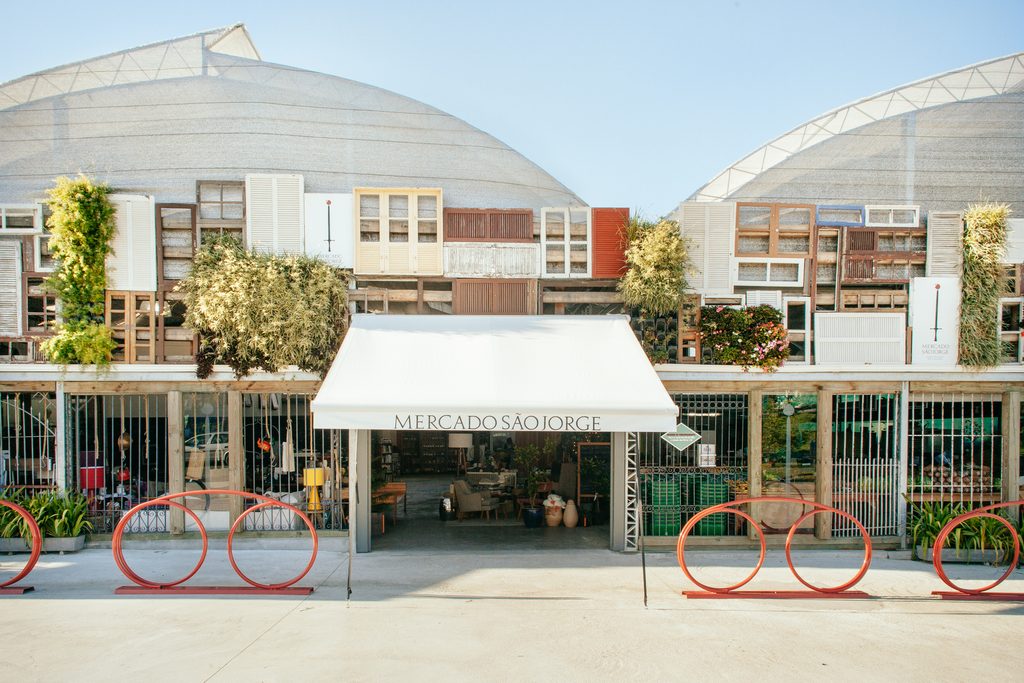
In the markets category, the Saint George Market It is already a benchmark, with documented evidence in environment, society and culture, and local development, including cultural events and bicycle parking for clients and staff. In the hotel industry, the Quinta das Videiras It moved forward with a robust plan and became the first certified hotel in Brazil.
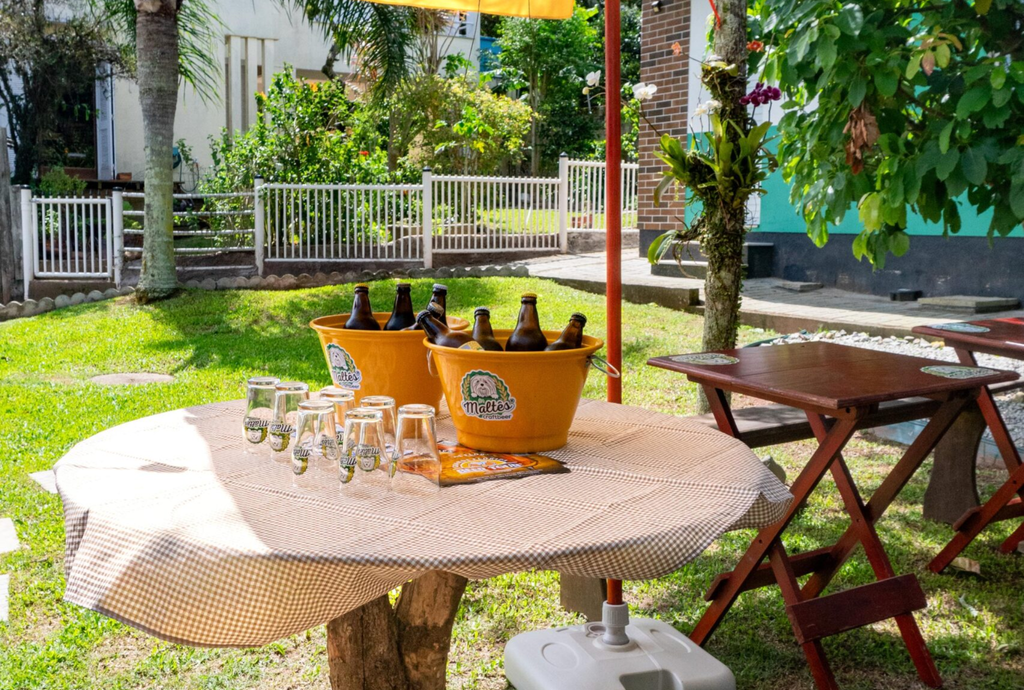
In the world of craft beverages, the Maltese Craft Beer It is part of the certified group. With the Committed seal, businesses like Bugio Productions, Ohana Distillery and the Nefasta Craft Brewery, These studies show how sustainable practices are also gaining ground among local beverage producers.
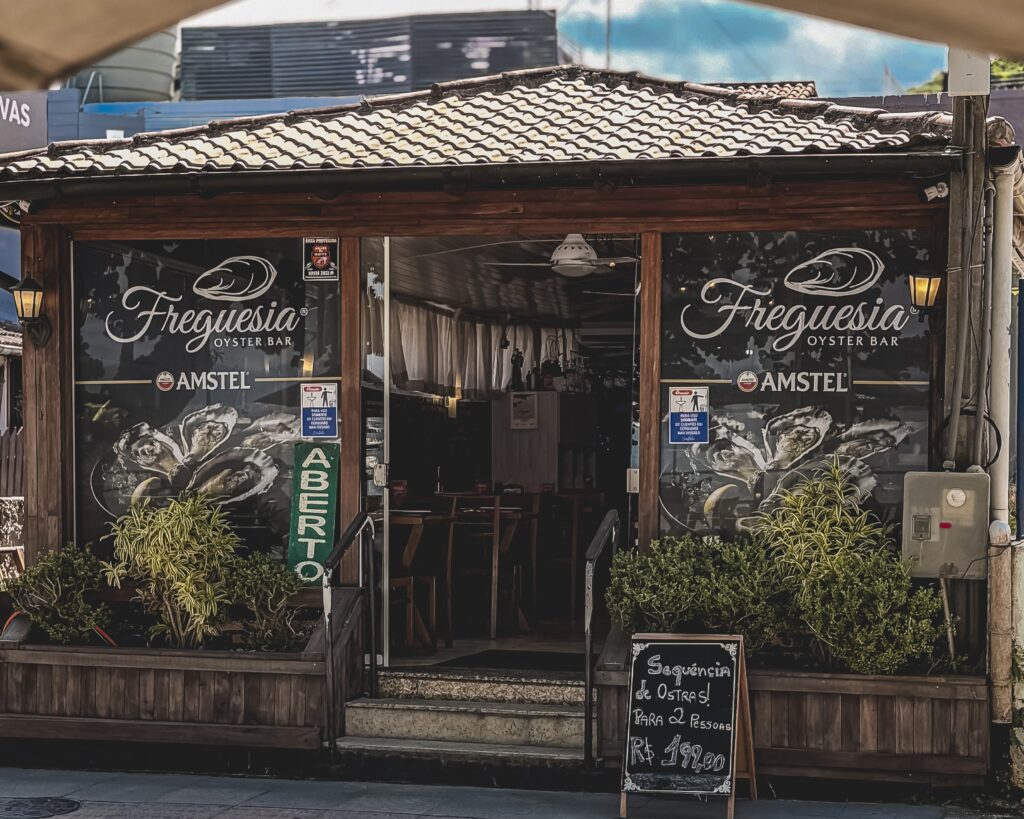
In the food service sector — which has been one of the strongest drivers of this recent growth — names such as Coffee Roll, in Lagoa da Conceição, NaCanoa Oyster Bar, in Ribeirão da Ilha, Oyster Bar Parish, in Santo Antônio de Lisboa, Buono Beach Restaurant, at the Bom Jesus Waterfall, in addition to Sabor da Costa Restaurant and of Jajá's Restaurant, both in Costa da Lagoa.
Also part of this movement are Amoratto Ice Cream, representing the production of ice cream, and the Desterro Bar and Burger Joint (ongoing), further expanding the presence of different food business models.
The chain linked to mariculture and gastronomic experiences is also represented by Marine Farm Paradise of Oysters and by Oyster Experience, businesses directly connected to local production, the territory, and the promotion of one of the most emblematic products of Florianópolis' gastronomy.
It is no coincidence that gastronomy features so prominently in this analysis. In 2025, an initiative by the Florianópolis City Hall, in partnership with FloripAmanhã and Sebrae/SC, began directly encouraging gastronomic establishments in the city to organize and expand their sustainable practices through the Biosphere methodology — an initiative connected to the Program Florianópolis Creative City of Gastronomy, This is a recognition the city has received from UNESCO since 2014. This institutional movement, combined with our direct work with each project, is part of what explains the acceleration of the last few months.
Why has Florianópolis become fertile ground for this?
It is no coincidence that the Magic Island is leading this movement in Brazil. Florianópolis already organically embodies many of the elements that Biosphere seeks to formalize: a strong connection to the territory, a valued local production chain (think of artisanal fishing, bobbin lacemaking), and a business community that, especially in the gastronomic and small and medium-sized hospitality sectors, already operates very closely with local suppliers and the surrounding community.
Biosphere's role — and ours within this process — is to take this existing practical aptitude and transform it into a structured, documented, auditable, and communicable plan. It's the difference between "we've been doing this for years, kind of naturally" and "we can prove, with evidence verified by external audit, everything we do, and also communicate this to those who book on Booking, search on Google, or compare options on Expedia before coming here.".
This is the point we emphasize most when talking to business owners in the city who are still hesitant about joining the process: documented sustainability isn't bureaucracy—it's a measurable competitive advantage. Biosphere itself points out that most travelers today actively seek out services and companies with recognized sustainable practices before making a reservation. Having the seal is a direct response to this demand, in a way that the customer can verify.
What's coming next: the leadership goal in 2026
Reaching second place in South America in less than 12 months of structured operation is, in itself, a result we celebrate — but it's not the end. The goal we are pursuing throughout 2026 is to surpass Peru and Argentina, assuming leadership in the South American ranking of companies with the Biosphere Commitment and Certification Seal.
This means continuing the work on two fronts simultaneously. First, expanding the base: bringing more companies from Florianópolis and Greater Florianópolis into the process, especially those that are unaware that they already meet a significant portion of the requirements, they just need to document it. Second, and perhaps more importantly, converting the Commitment into Certification — because today the real bottleneck is not entering the process, but advancing from the planning phase to the full audit phase. Of the 15 Santa Catarina-based businesses currently, only 2 have full Certification; the potential for growth there is enormous.
If you have a tourism-related business in Florianópolis — hotel, inn, restaurant, bar, attraction, tour operator, gastronomic production — and want to understand how to join this movement, now is the right time to talk to us. The process is open, the support is close, and the results, as the numbers show, appear quickly when the work is done consistently.
We'll continue telling this story here on the blog, updating the numbers as they evolve throughout the year. Because it's not just about a seal on the wall or another icon on the website — it's about putting Florianópolis, and Brazil, on the map of verified sustainable tourism in South America. And we're right in the middle of it.